
Body shaming and self-esteem: how societal standards of beauty affect women's psychological health
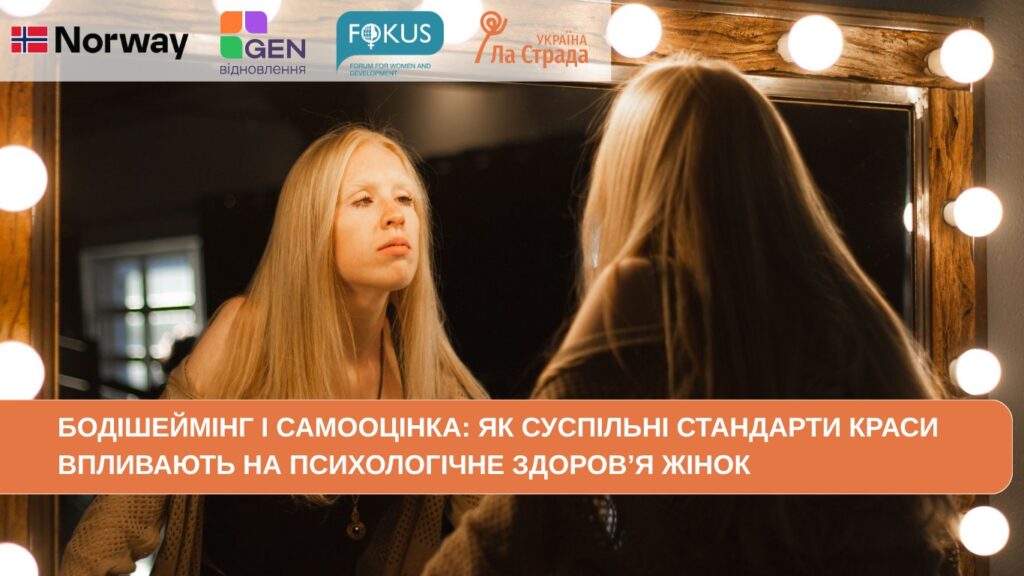
In the modern world, appearance can become a subject of public evaluation. Social networks, advertising, and the film industry shape the idea of what an "ideal" woman should be like. However, the desire to meet imposed standards often leads to a loss of self-confidence. One of the most common manifestations of this phenomenon is body shaming.
What is body shaming?
Body shaming — this discrimination, harassment, or judgment of a person based on their appearance. Criticism may concern weight, height, facial features, or skin condition that do not meet imposed standards of beauty.
Body shaming can take many forms, from overt criticism of appearance to veiled assessments and comparisons, such as: "You should lose weight," "You're too thin," or "With a face like that, you need to wear more makeup."
Women are especially often faced with such pressure, as society traditionally places more demands on them regarding their appearance.
The role of social networks
Social media has become one of the main platforms for spreading beauty standards. Users see hundreds of photos of people with “perfect” looks every day, creating a distorted perception of reality.
As a result, many women begin to judge their own worth by the number of likes, comments, or compliance with popular trends. However, more and more people are now choosing to be authentic everywhere and not support imposed standards, which significantly reduces the pressure on women.
Impact on self-esteem
Self-esteem is largely determined by how a person perceives themselves. Regular criticism of their appearance can gradually erode self-confidence.
Women who experience body shaming may begin to doubt their own worth, focus on flaws, and avoid social activities.
So it is important:
- Stop comparing yourself: Social media and your surroundings shouldn't make you feel guilty about comparing yourself and trying to be like someone else.
- Highlight your uniqueness: Moles, hair texture, facial expressions – they make you unique. Try to focus on what you are grateful for in your body.
The main thing to remember is, What You don't have to conform to other people's ideas or standards. You can stop conversations that make you feel insecure.
If you recognize yourself in this story, the main thing is not to be alone with this - call to the National Hotline for the Prevention of Domestic Violence, Human Trafficking and Gender Discrimination:
📱116 123
☎ 0 800 500 335
This post was made possible by the support of the Norwegian people through the Ministry of Foreign Affairs of Norway (MFA of Norway) within the framework of the project “Building a Gender-Inclusive Recovery with the Women’s Movement of Ukraine” (GEN-Recovery). Responsibility for the content of the information lies with the NGO “La Strada-Ukraine”. The information presented in this post does not necessarily reflect the views of the Ministry of Foreign Affairs of Norway or the Government of Norway.
 Українська