
Pink tax: why women pay more for the same things
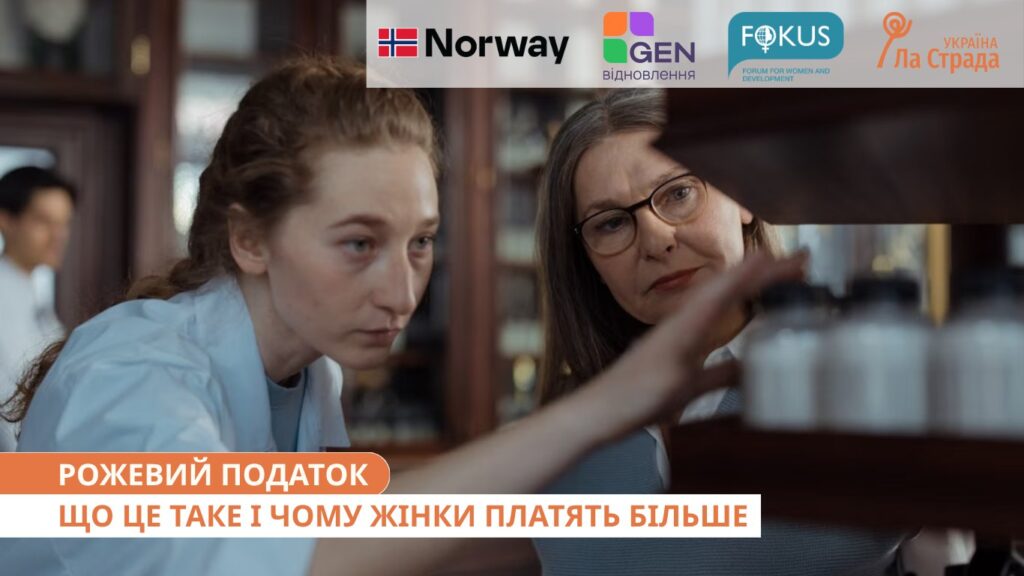
Have you ever noticed that almost identical products can have different prices just because of the color of the packaging or the “for women” label? Or that a regular razor, shampoo, or even deodorant in a “women’s version” costs more, even though it performs the same function? This phenomenon is called the “pink tax.”
What does the “pink tax” mean?
“Pink tax” is a term that describes a situation where goods or services aimed at women cost more than similar or nearly identical goods for men.
Marketing that sells “femininity”
One of the key mechanisms is the artificial division of products into “men’s” and “women’s.” Functionally, they may be the same, but the design, color, or packaging may vary.
It is this “visual difference” that allows you to position the product as a different segment and set a different price. As a result, women often pay more for labeling than for quality.
Stereotypes as an economic tool
The market actively exploits social perceptions of gender. Women are often perceived as consumers who are more focused on aesthetics, grooming, and appearance.
This forms a logic: if a product is “for women,” it may cost more.
Where is the “pink tax” most often manifested?
This phenomenon is most noticeable in everyday goods and services that do not have an obvious gender difference:
- shaving and body care products;
- clothing and children's goods;
- basic cosmetics;
- hairdressing services and beauty salons.
In many cases, the difference between products is minimal or non-existent.
Scope of services and hidden overpayments
For example, in beauty salons, the price often depends on the gender of the client, not just on the complexity of the work.
Women's haircuts or basic treatments often cost more, even when the amount of work is comparable to men's. This is partly explained by the length of the hair or the technical complexity, but the difference in price is not always proportional.
How social networks influence
Social media contributes to the idea that certain products are “must-haves” for women, promoting a wide range of beauty products and services, many of which are actually unnecessary for most women.
This applies to a multitude of skin, hair, and body care products, where each product specializes in a specific function, which is mostly an unnecessary extension of regular care.
An interesting contrast is that “men’s” products are often more versatile. A single product can perform multiple functions at once, while women’s lines are often divided into many small categories, which also affects overall costs.
The pink tax isn't just about higher prices for goods. It's another way women are economically oppressed, which exacerbates financial inequality..
If you have been a victim of domestic violence or gender discrimination, please contact the National Hotline for Prevention of Domestic Violence, Human Trafficking and Gender Discrimination for advice and assistance:
📱116 123
☎ 0 800 500 335
Telegram: https://t.me/NHL116123_bot
Instagram: https://www.instagram.com/lastradaukraine?igsh=anhubWR2YzZvZWxj
Facebook: https://www.facebook.com/share/1DDns7NTvT/?mibextid=wwXIfr
This article was made possible by the support of the Norwegian people through the Ministry of Foreign Affairs of Norway (MFA of Norway) within the framework of the project “Building a Gender-Inclusive Recovery with the Women’s Movement of Ukraine” (GEN-Recovery). Responsibility for the content of the information lies with the NGO “La Strada-Ukraine”. The information presented in this article does not necessarily reflect the views of the Ministry of Foreign Affairs of Norway or the Government of Norway.
 Українська