
Why seeking psychological support should become the norm
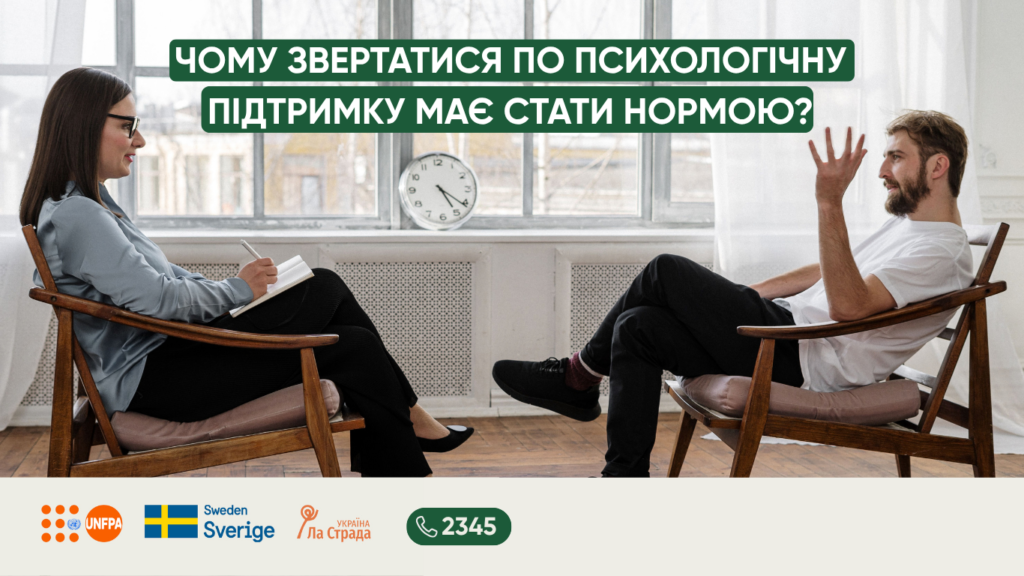
For a long time, there was a stereotype that seeking help from a mental health professional was a last resort, resorted to only when "everything was really bad."
For example, men were taught to be a “wall,” to withstand any load, and to silently overcome challenges. However, the reality we live in requires a revision of outdated ideas.
Given the present, seeking support should become as basic and natural a norm as a visit to the dentist or therapist.
Normalizing mental health care
When a person has a toothache or high blood pressure, no one expects it to “go away on its own” or that the person should “just pull themselves together.” Physical pain is perceived as an objective signal from the body for help.
The psyche is arranged in the same way. Emotional exhaustion, anxiety, outbursts of irritation or a feeling of powerlessness are clear physiological and psychological signals of nervous system overload. Recognizing this and seeking professional help means showing responsibility and caring for yourself and your loved ones.
Who to contact: the difference between a psychologist, psychotherapist and psychiatrist
A barrier to getting help may be not understanding which specialist(s) to contact in your case. Let's look at the differences between these specialists/ranks:
- Psychologist: A specialist with a higher psychological education. Works with people who have encountered temporary life difficulties, stress, exhaustion, relationship problems, or self-determination issues. A psychologist will help them understand themselves, stabilize their emotional state, find their own resources, and develop self-regulation tools. Psychologists do not prescribe medication..
- Psychotherapist: has received additional long-term education in one of the methods of psychotherapy (for example, cognitive behavioral therapy, Gestalt therapy, etc.). A psychotherapist works with deeper personality problems, phobias, neurotic disorders, and psychological traumas.
- Psychiatrist: A doctor with a higher medical education. Works with clinical mental disorders (major depression, bipolar disorder, PTSD, etc.) and has the right to prescribe medication.
Calling a support line or having an initial consultation with a psychologist is the easiest step to determine your condition and understand what kind of help you need.
War, extreme stress and situations where help is required
The war created a sense of constant danger, in which the psyche works at the limit of its capabilities. Many people try to adapt to constant anxiety, sleepless nights, destruction of plans and losses. However, there are conditions in which timely appeal to a specialist/officer is mandatory:
- Chronic exhaustion and apathy
- Uncontrolled irritability and outbursts of anger
- Constant background fear and anxiety
- Sleep and appetite disturbances
- Feelings of isolation and loneliness
Suppressing these states with addictions or simply waiting for them to pass is the path to deep emotional burnout or psychosomatic illnesses.
Why is it important to apply on time?
It is much easier and more effective to support the psyche at the stage of the first symptoms of exhaustion than to bring the condition to a deep depression or the breakdown of relationships. A timely conversation with a specialist/person allows you to:
- Relieve accumulated internal tension.
- Understand the reasons for your reactions.
- Obtain simple and effective self-regulation techniques in crisis situations.
- Preserve emotional resources to complete daily tasks and support family members.
The psychological support line for men was created specifically to make the first step towards psychological support as simple, accessible and safe as possible.
We understand how difficult it can be for people who are used to keeping everything under control to decide to visit a specialist/officer. That is why Line 2345 offers a format of primary crisis and psychological support:
- Free, anonymous and confidential
- Consultations are provided by phone number 2345, via Telegram bot help-2345-bot, or in private messages on social networks.
- The line is staffed by experienced psychologists who help stabilize your emotional state, process depressive or anxious thoughts, find your own support, and, if necessary, create a roadmap for action or refer you to specialized specialists.
If you feel that the stress is becoming too much, don't wait for the point of no return. Seek support in a timely manner.
📞 Call 2345
💬 Telegram
Daily 14:00 – 06:00
Anonymously | Confidentially | Free
The project is implemented by UNFPA, the United Nations Population Fund in Ukraine, with the support of Sweden in cooperation with the NGO “La Strada-Ukraine”
#LaStrada #LaStradaUkraine #LaStrada #LaStradaUkraine #NFPA #NFPAUkraine
 Українська