
The evolution of the women's movement and the struggle for bodily autonomy in Ukraine and the world: the path to true independence
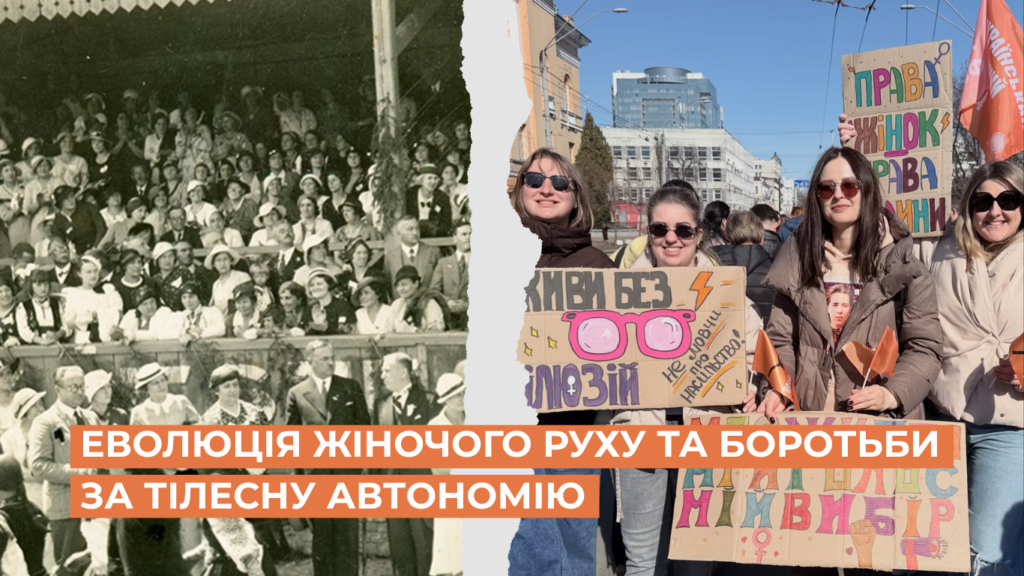
The independence of a state is measured not only by its sovereignty in the international arena, but also by the level of security, freedom and protection of its citizens within the country. The foundation of a democratic society is the inviolability of human rights, among which the key place is occupied by the right to bodily autonomy - the ability to freely, without coercion, pressure or fear of violence, make decisions about one's own body, health and life.
The path to recognition of this right was long and required systematic efforts by many generations of human rights activists, scholars, and public figures.
From the first wave of feminism to the right to one's own voice
The first wave of the women's movement focused on gaining basic civil and political rights—primarily the right to vote, education, and property ownership.
The second wave of feminism brought issues that had previously been considered “private” into the public sphere: reproductive rights, protection from domestic violence, employment equality, and opposition to the sexualization of the female body. It was then that the call “The personal is political” was heard, which proved that the problems women face behind the closed doors of their own homes are a consequence of systemic inequality in society.
Bodily autonomy as a legal and psychological category
Bodily autonomy means that each person is the sole authority over their own body. This includes:
- The right to physical integrity: protection from any form of physical, sexual or psychological violence.
- INinformed, voluntary and clear consent to any actions in the field of intimate or medical nature.
- Freedom from stereotypes and reproductive pressure: the right to independently decide on issues related to having children or forming a family.
From a psychological perspective, violation of bodily autonomy destroys a basic sense of security and leads to profound psychological trauma. Restoring the affected person's sense of control over their own body and decisions is the first and most important step in the rehabilitation process.
Modern movements and their impact on culture
Global feminist initiatives of the 21st century — such as #MeToo, Escape the Corset, Free the Nipple and HeForShe — had a strong response in Ukraine. # I'm Not Afraid to Say became a moment that broke the taboo around the topic of sexual and domestic violence in the domestic space.
Ensuring bodily autonomy and combating gender-based violence is an indispensable condition for creating a free, legal and independent country. Only when every woman and girl feels safe at home, at work and on the streets of their cities will we have a truly strong and sustainable society.
If you have been a victim of domestic violence or gender discrimination, please contact the National Hotline for Prevention of Domestic Violence, Human Trafficking and Gender Discrimination for advice and assistance:
116 123 or 0 800 500 335
Telegram: NHL116123_bot
Instagram: lastradaukraine
Facebook: lastradaukraine
The project is implemented by UNFPA, the United Nations Population Fund in Ukraine, with the support of Sweden and Norway in cooperation with the NGO “La Strada-Ukraine”.
#LaStrada #LaStradaUkraine #LaStrada #LaStradaUkraine #NFPA #NFPAUkraine
 Українська