
What is stalking and why is it dangerous?
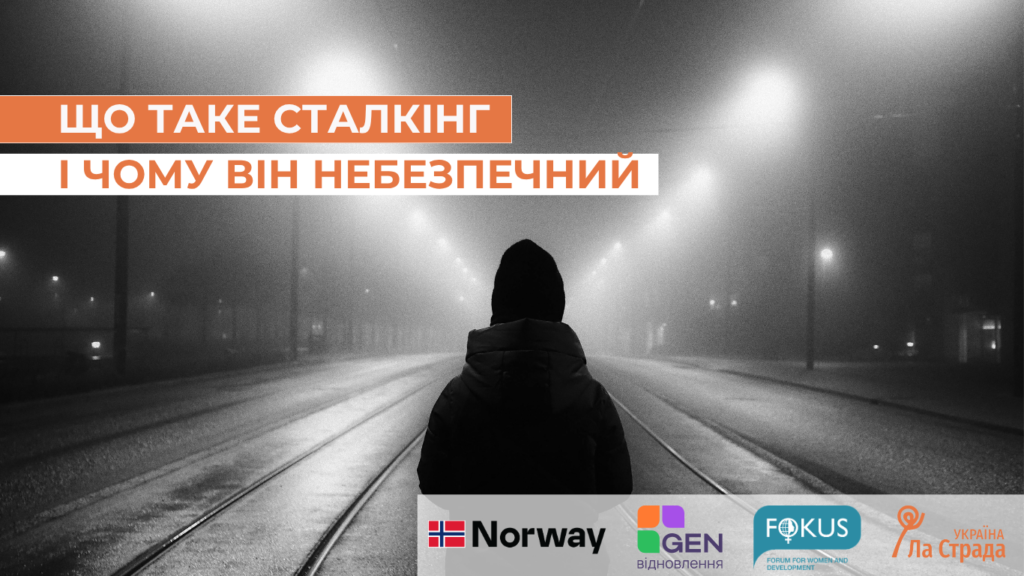
Stalking – is a manifestation of psychological violence in which the perpetrator pursues the victim in real life or online and obsessively demands their attention.
How stalking manifests itself:
- constant calls, messages, or emails, even after ignoring or rejecting
- surveillance of a person, constant “random” meetings near home, study or work
- obsessive comments and reactions on social media
- creating fake accounts for control
- attempts to find out personal information through friends or acquaintances
Why stalking is dangerous
The danger of stalking lies not only in discomfort, but also in serious consequences for a person's mental and physical state.
Because stalking is a constant stress. A person feels that they are constantly being watched, because of this they cease to feel safe even in places where they used to be calm. They may also experience a fear of leaving the house, problems with sleeping, or a feeling of helplessness.
Why it's not "just attention"
It is important to understand: persistence without consent is not romance or a manifestation of love. Caring always respects boundaries. If a person is uncomfortable, any actions, even “good intentions,” become a violation.
What to do if you are experiencing stalking
- Keep all evidence: screenshots of correspondence, calls, emails.
- Record the time, place, and circumstances of each meeting or unwanted contact with the stalker.
- Block the stalker on all social networks and messengers.
- Restrict access to your social media pages (make them private).
- Turn off geolocation on your phone and avoid posts that reveal your real-time location.
Stalking is not a small thing or an "exaggeration." It is a violation of personal boundaries that can have serious consequences. It is important to recognize it in time and not be left alone with it.
If you have been a victim of domestic violence or gender discrimination, please contact the National Hotline for Prevention of Domestic Violence, Human Trafficking and Gender Discrimination for advice and assistance:
📱116 123
☎ 0 800 500 335
Telegram: NHL116123_bot
Instagram: lastradaukraine
Facebook: lastradaukraine
This post was made possible by the support of the Norwegian people through the Ministry of Foreign Affairs of Norway (MFA of Norway) within the framework of the project “Building a Gender-Inclusive Recovery with the Women’s Movement of Ukraine” (GEN-Recovery). Responsibility for the content of the information lies with the NGO “La Strada-Ukraine”. The information presented in this post does not necessarily reflect the views of the Ministry of Foreign Affairs of Norway or the Government of Norway.
 Українська