
Why misogyny exists: where it comes from and why it still remains a part of our society
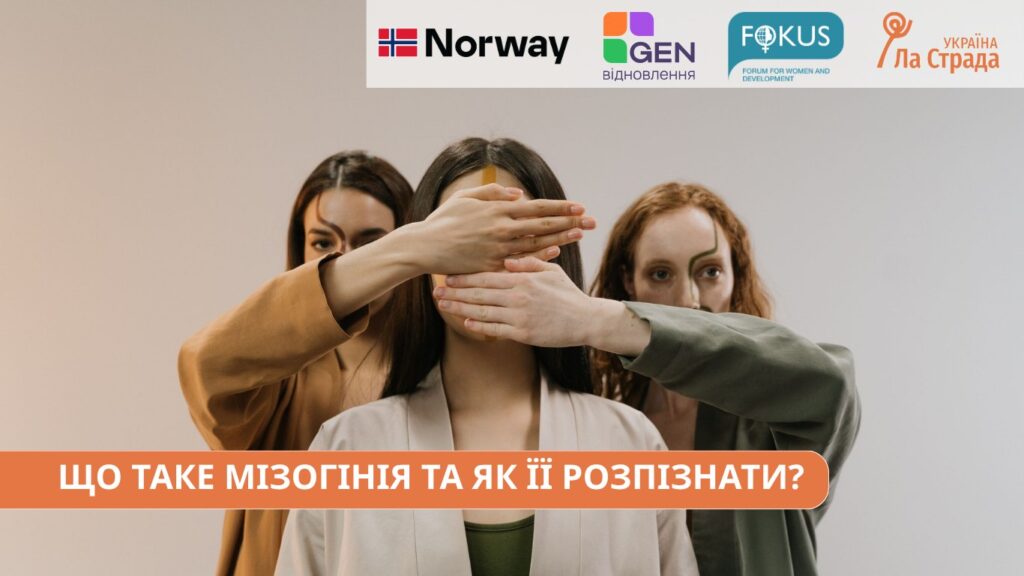
Misogyny — is a prejudiced, disparaging, or discriminatory attitude toward women because of their gender. It is a form of sexism and can be both overt and covert.
Misogyny does not always take the form of insults or aggression. It often manifests itself through the devaluation of women's professional achievements, doubts about their competence, the imposition of certain roles, or double standards.
Where does misogyny come from?
Gender stereotypes are formed from childhood
The first ideas about what women and men “should be” are formed in childhood. Girls were taught to be obedient, gentle, caring, and modest, while boys were encouraged to be decisive and courageous.
These attitudes seem natural, but they are actually socially constructed and eventually influence how people evaluate the behavior of others.
Social norms and culture
Movies, advertisements, jokes, and even everyday conversations have for years portrayed a woman whose main task is to be beautiful, take care of her family, or support her husband.
When a society repeats the same patterns of behavior over and over again, they become accepted as the norm. This is why many manifestations of misogyny seem “normal” or even “innocent.”
Internalized misogyny
Misogyny can be reproduced not only by men, but also by women themselves. This phenomenon is called internalized misogyny.
It occurs when a person internalizes societal stereotypes so deeply that they begin to apply them to other women or themselves. For example, judging a woman for her career ambitions, appearance, lifestyle, or choice not to have children.
In such an environment, women often develop not solidarity but hidden competition. It is not always obvious, but manifests itself in comparisons, evaluations, and the constant feeling of "I have to be better to be accepted."
Women are taught that attention, success, or recognition are things to be fought for.
How misogyny manifests itself
In modern society, it is often invisible. The most common manifestations include:
- doubts about women's professional competence;
- the use of diminutive addresses to adult women (“little girl”, “sweetheart”, “sweetie”) in a professional context;
- criticizing women for showing emotions;
- the expectation that a woman should always be compliant, caring, and “comfortable” for others;
- condemning women for their lifestyle choices, appearance, or motherhood.
Such manifestations may seem insignificant, but they create an atmosphere in which women have to constantly prove their competence and right to be heard.
Why misogyny is dangerous
Misogyny manifests itself in various forms in society:
- reinforces gender inequality;
- promotes discrimination and violence;
- creates psychological pressure, self-doubt;
- supports a culture in which prejudice remains socially acceptable.
Even if an individual manifestation seems like a small thing, the regular repetition of such situations has a cumulative effect.
Misogyny exists not because it is natural, but because it has been perpetuated for decades by social norms, stereotypes, and cultural perceptions of the roles of women and men.
The more you speak out, learn to recognize stereotypes, and not reproduce them in your own life, the greater your chances of building a conscious society in which people are judged not by their gender, but by their abilities, skills, and actions.
If you have been a victim of domestic violence or gender discrimination, please contact the National Hotline for Prevention of Domestic Violence, Human Trafficking and Gender Discrimination for advice and assistance:
📱116 123
☎ 0 800 500 335
This article was made possible by the support of the Norwegian people through the Ministry of Foreign Affairs of Norway (MFA of Norway) within the framework of the project “Building a Gender-Inclusive Recovery with the Women’s Movement of Ukraine” (GEN-Recovery). Responsibility for the content of the information lies with the NGO “La Strada-Ukraine”. The information presented in this article does not necessarily reflect the views of the Ministry of Foreign Affairs of Norway or the Government of Norway.
 Українська