
Woman at the wheel: how stereotypes are being destroyed and a new norm is being formed
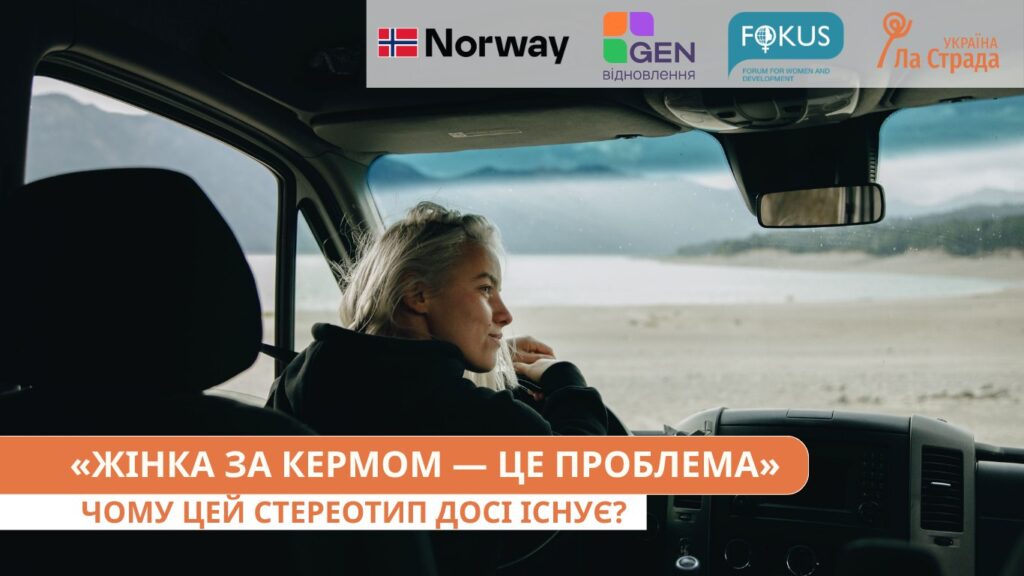
“Woman at the wheel” – a phrase that can still be heard in jokes, comments, or casual conversations. It doesn’t seem to carry any direct offense, but it often carries a set of prejudices: about attentiveness, confidence, and a “natural ability” to drive.
Driving is actually genderless. But societal perceptions of who drives “better” still influence women’s experiences on the road, their confidence, and even their decision to get behind the wheel.
Where did the stereotype come from?
For a long time, cars were mainly aimed at men: they were the ones who worked as drivers, mechanics, instructors, and participated in shaping traffic rules.
Women appeared in this field much later, and this allowed the idea of a "newbie" to take hold, which over time turned into a stereotype regardless of actual experience or skills.
How prejudice manifests itself
Stereotypes about women driving are not always straightforward. They are often disguised as jokes or “everyday observations”:
- comments about women being “emotional” or “cautious” on the road;
- generalization after isolated cases of accidents;
- devaluation of the experience of female drivers;
- doubts about their skills even before they got behind the wheel;
- the expectation that a man will “explain better” or “help you navigate.”
Such manifestations are not always aggressive, but they form a background in which a woman has to constantly prove her competence.
Social pressure and fear of mistakes
One consequence of stereotypes is increased anxiety. Women who are just starting to drive often face a double pressure: on the one hand, the need to learn a new skill, and on the other, the expectation that they “have to prove they can.”
This affects confidence behind the wheel and can delay the learning process not due to lack of ability, but due to a psychological barrier.
Driving as a gender-neutral skill
Driving is a combination of knowledge, practice, and experience. It is not gender-specific, but is developed through learning, repetition, and responsibility.
For many women, a car is not only a means of transportation, but also an opportunity to be independent in daily decisions.
Stereotypes about “women driving” are an echo of old social perceptions. Today, more and more women are confidently driving a car, proving that driving skills are not dependent on gender.
If you have been a victim of domestic violence or gender discrimination, please contact the National Hotline for Prevention of Domestic Violence, Human Trafficking and Gender Discrimination for advice and assistance:
📱116 123 or ☎ 0 800 500 335
This article was made possible by the support of the Norwegian people through the Ministry of Foreign Affairs of Norway (MFA of Norway) within the framework of the project “Building a Gender-Inclusive Recovery with the Women’s Movement of Ukraine” (GEN-Recovery). Responsibility for the content of the information lies with the NGO “La Strada-Ukraine”. The information presented in this article does not necessarily reflect the views of the Ministry of Foreign Affairs of Norway or the Government of Norway.
 Українська