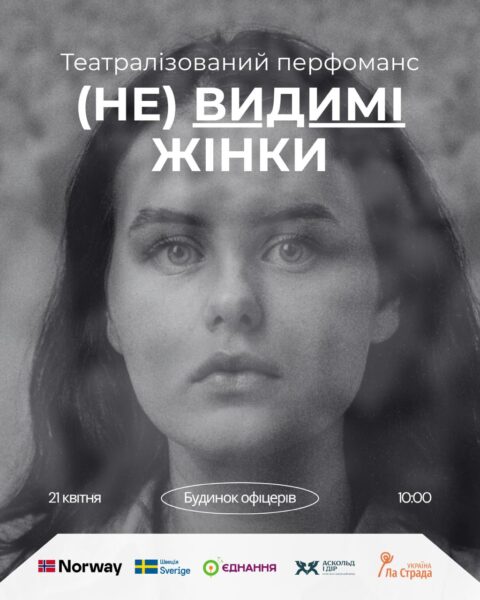
"(IN)VISIBLE WOMEN": a performance at the Officers' House about what happens around us every day

"(IN)VISIBLE WOMEN": a performance at the Officers' House about what happens around us every day

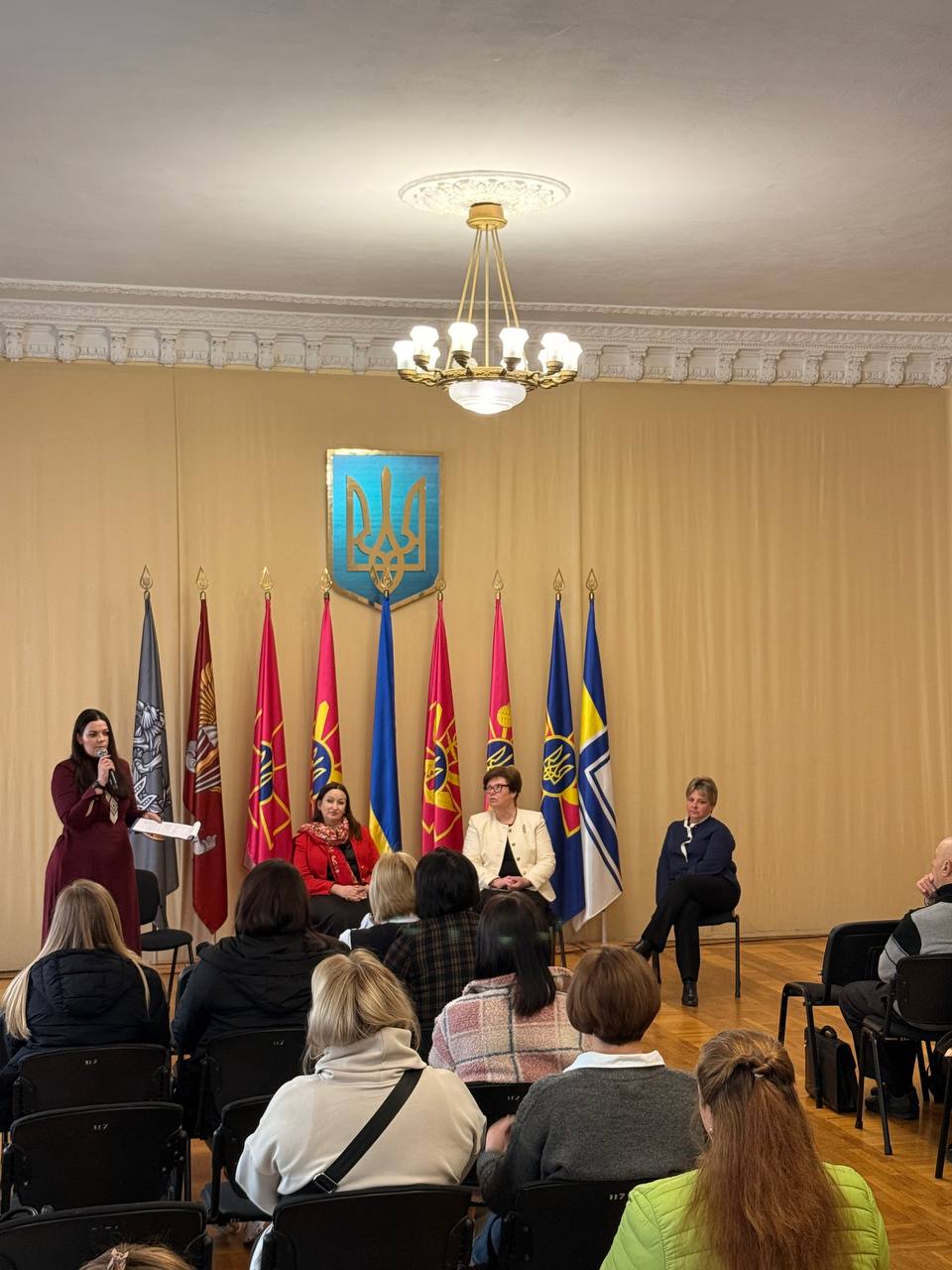
On April 21, 2026, the performance "(IN)VISIBLE WOMEN" took place at the Officers' House, a stage play about women whose lives are closely connected to war, even if it is not always visible from the outside.

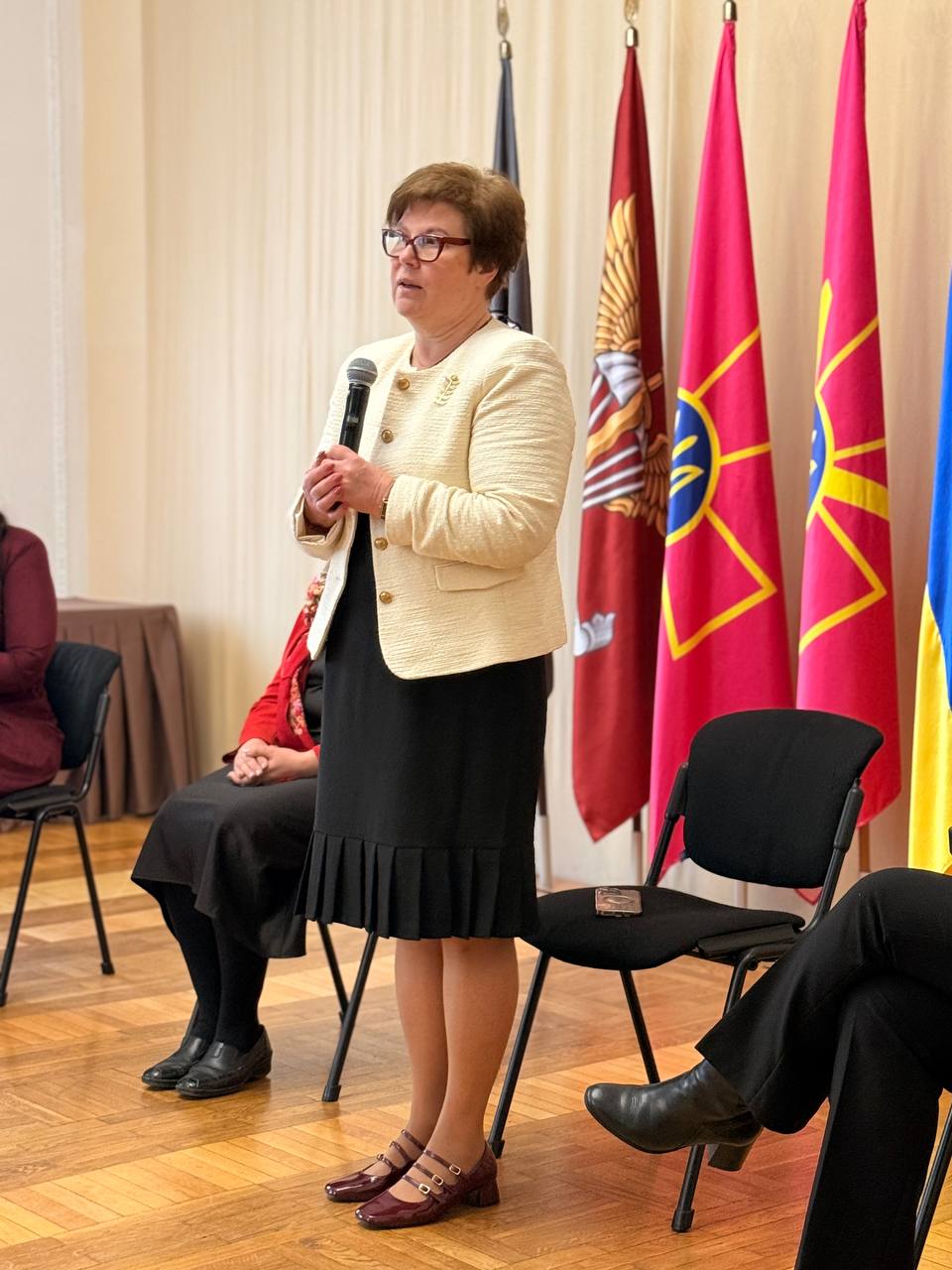
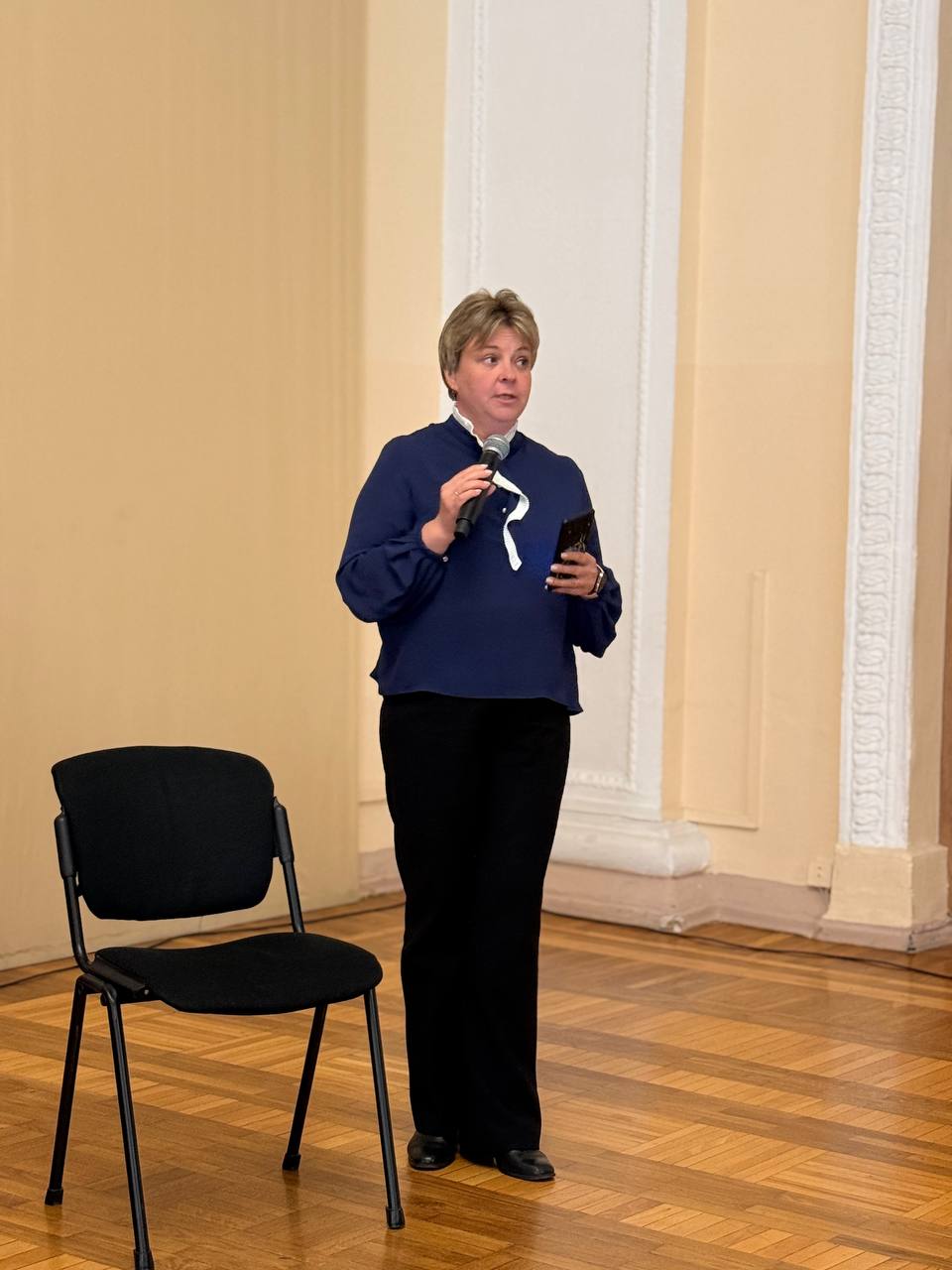
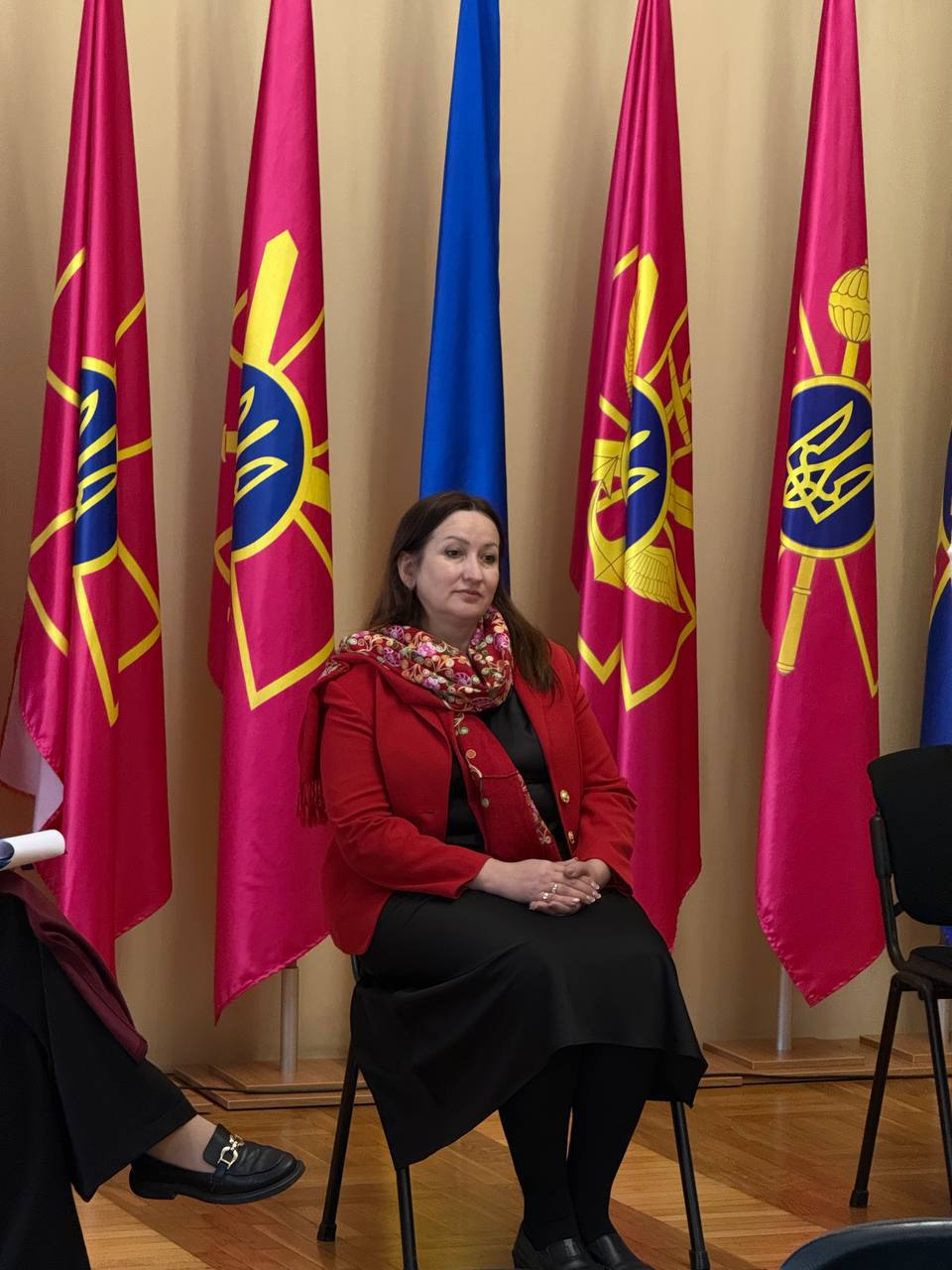
The event was held with the participation of Kateryna Levchenko — Government Commissioner for Gender Policy, who, in her speech, emphasized the importance of the visibility of women's experiences during wartime and the need to take them into account when shaping public policies. Her participation emphasized that the topic raised in the performance is not only personal or artistic, but also socially significant at the national level. 

It was not a loud event or a show with effects. There were only actresses on stage, lights, simple objects and words. But this was enough to show what usually goes unnoticed.

This performance is not about war itself. It is about life alongside it. About how everyday life changes when a loved one is at the front, in captivity, wounded or killed. About the condition in which thousands of women live, quietly, without unnecessary words, often without the ability to explain it to others.

These women are among us. We see them every day, in transport, at work, in shops. They may look calm, busy with ordinary things. But inside they live in a completely different reality, a reality of expectation, tension, loss or hope.

This is exactly what the play "(IN)VISIBLE WOMEN" was about.

These are the women we see in the city, in transport, at work, in queues, in coffee shops. They can smile, answer messages, do shopping, plan their day. But at the same time, they live in constant expectation of a call, in tension from the unknown, in an internal struggle that has no days off. It is this invisible part of life that the performance "(IN)Visible Women" was about.

The play unfolded as a sequence of five stories, five female voices, each revealing a different dimension of the war experience. Without abrupt transitions, without explanations, without attempts to draw conclusions. The viewer was not given instructions on how to feel, only the opportunity to be there.

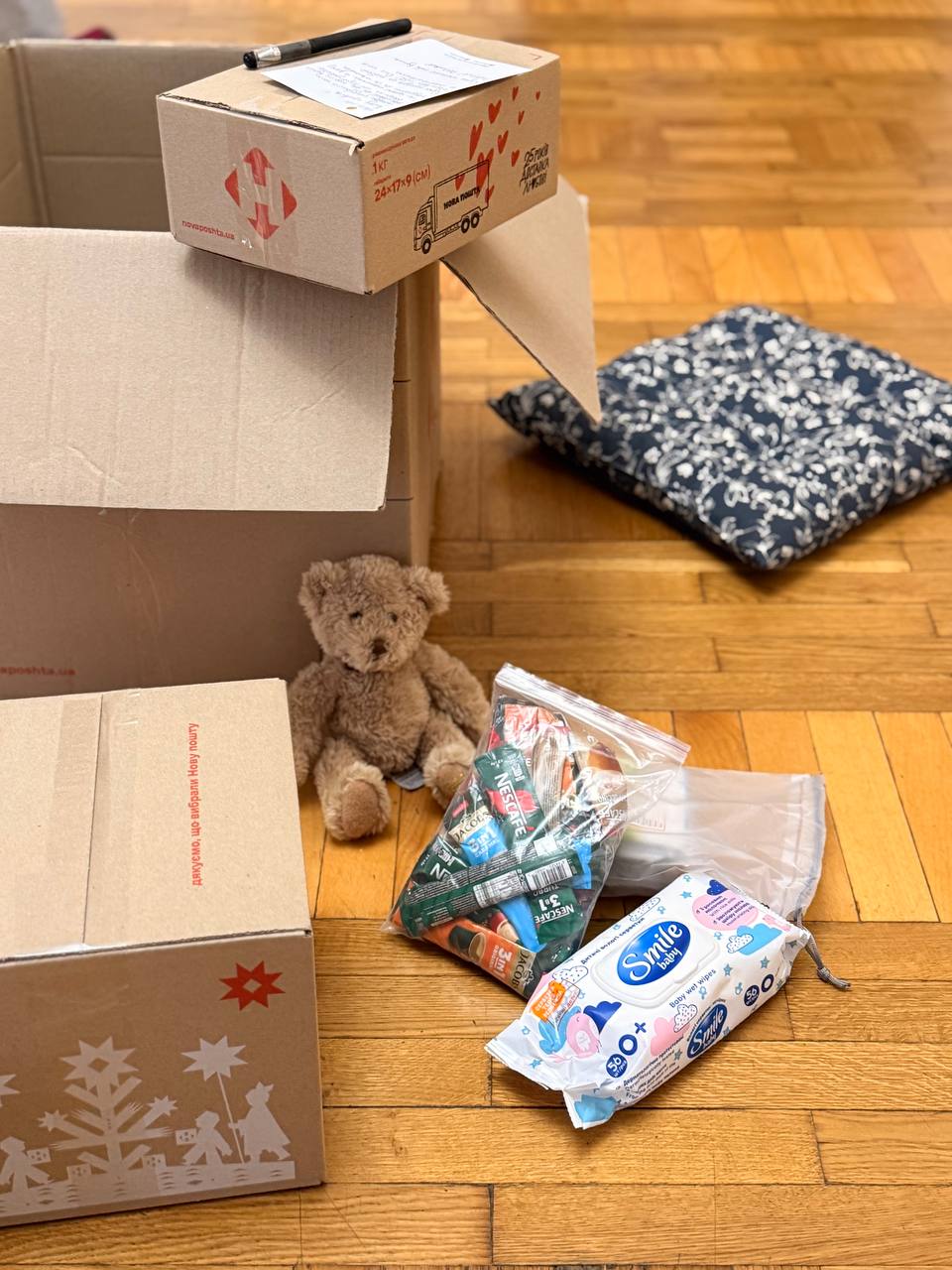
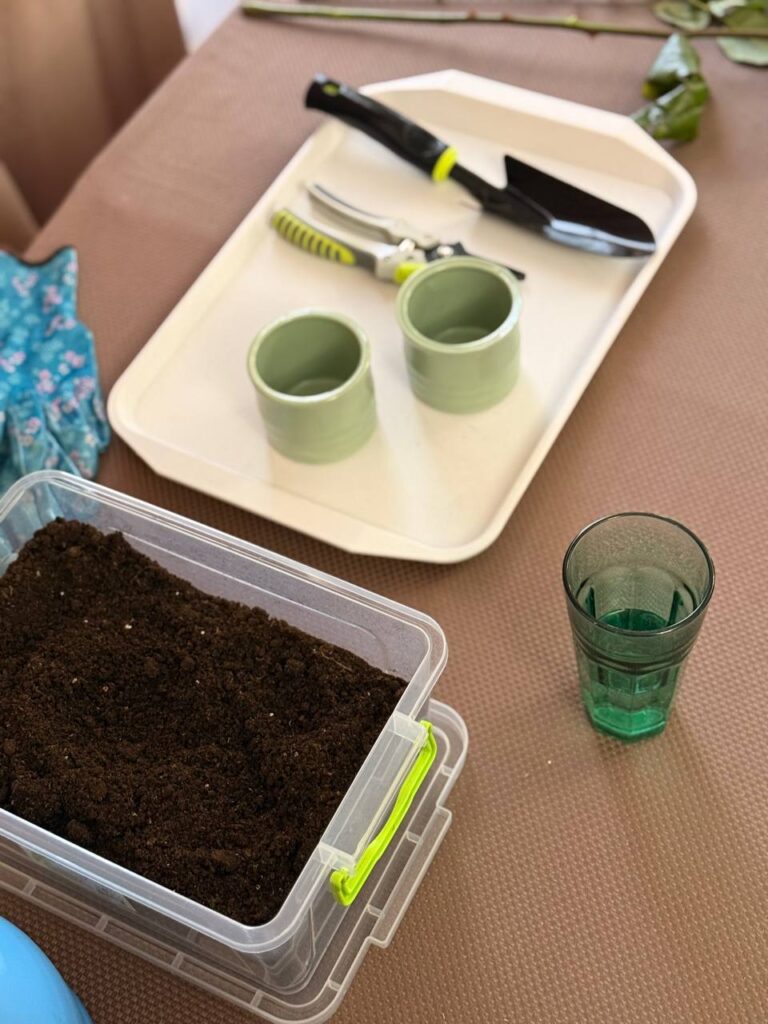
The first story is about daughters. On stage, a simple action, she puts together a package. Things, little things, a teddy bear. What thousands of people do every day. But behind this action, a conversation about a father at the front, about short calls that sometimes don't come on time, about days when the phone is silent longer than it should, and fear begins to fill the space. There is no tension in her voice. She speaks calmly, and that is what makes the story even stronger. Caring here doesn't look like heroism. It looks like mundanity. But it is this mundanity that keeps the connection and life going.

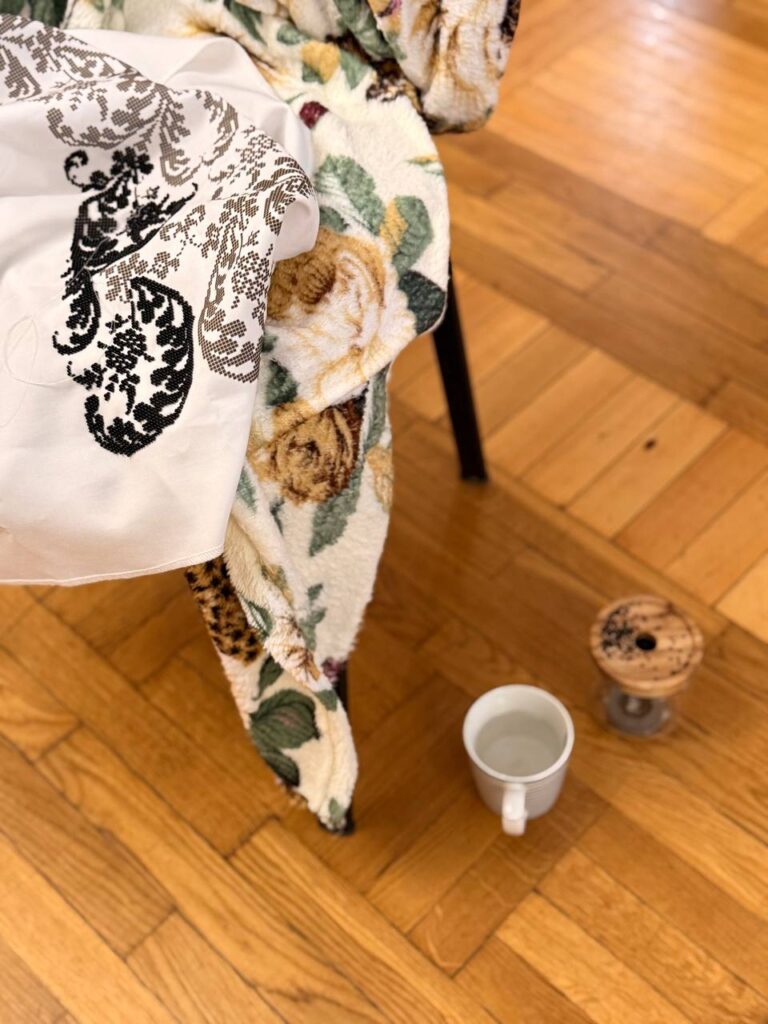
Second story — sisters whose brother has gone missing. Her action is stitching. Slow, repetitive, almost endless, like the feeling of uncertainty itself. She speaks of a state in which there is no answer. There is no ending. There is not even the word “loss” to cling to. There is only a constant search, calls, lists, a faith that does not allow one to stop. Her experience is a life between “maybe alive” and “what if not.” And that is why it is so invisible to others, because it has no clear form.

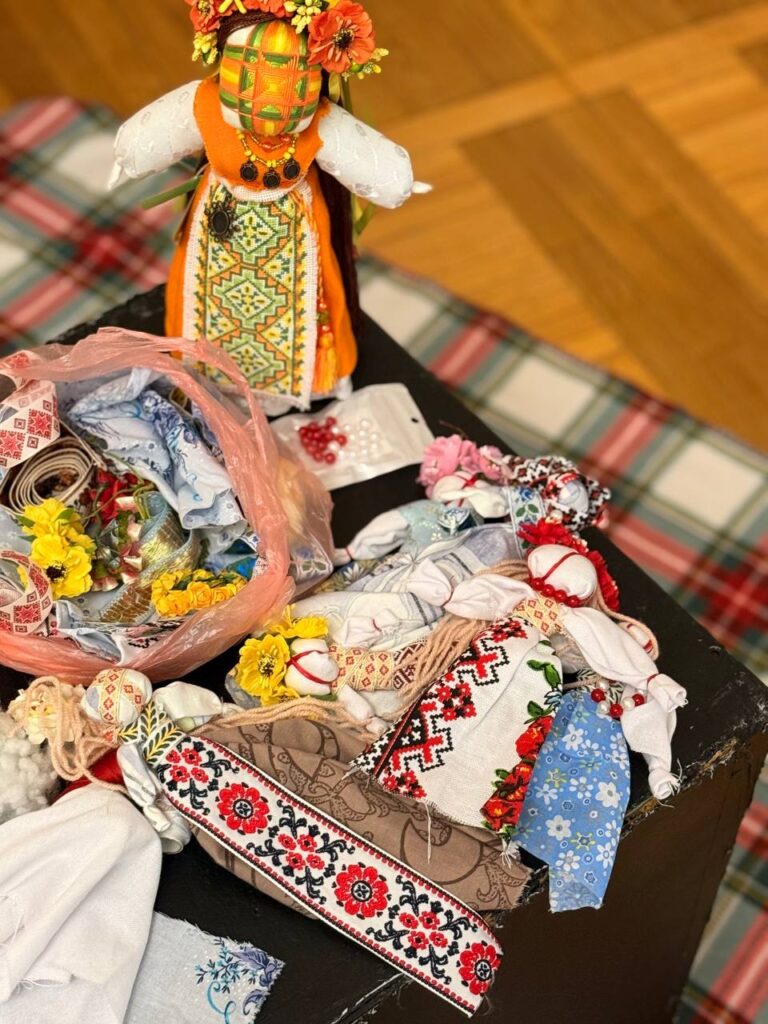
The third story is the wife of a wounded soldier. On stage, she creates something from material that is not immediately susceptible. Her words are about hospitals, rehabilitation, a new reality in which one must learn to live anew. But the most powerful thing is not about the difficulties of caregiving. It is about the inner state, fatigue, anger, shame for these feelings. About those moments when you want to run away, and the guilt for this desire. About the need to be a support when you can barely hold on. This is a story that is rarely told out loud. Because society sees "he survived," but does not see at what cost to those around him.

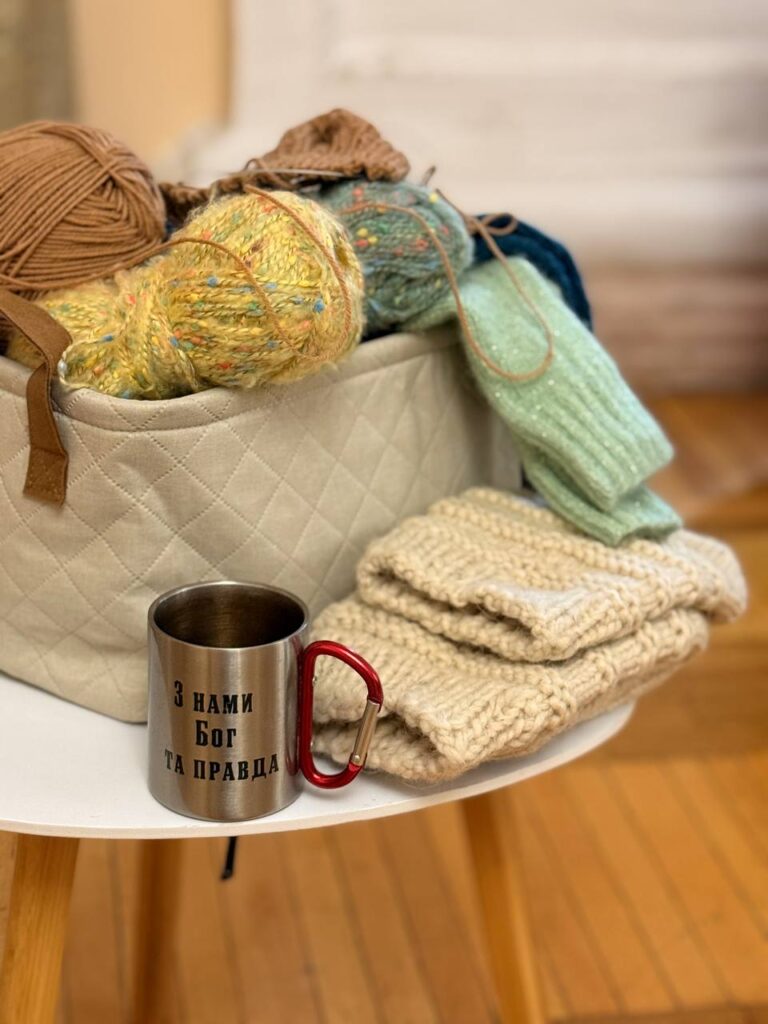
Fourth story — a mother whose son is a captive. Her action is knitting. Rhythmic, continuous, like time that ceases to be measured by dates. She talks about waiting without a deadline. About days that merge into one. About news that you grab onto like air. About a few short conversations as the only support. And about how routine actions, even as simple as knitting, become a way not to fall apart. There is no hysteria in her voice. There is restraint. And it is she who sounds the loudest.

Latest story — a woman who lost her lover. On stage she works with roses. Earth, roots, water. She talks about the life that was and about what did not have time to happen. About a loss that is impossible to accept at first. About the months when you just survive. About the fear of living again, as if it were a betrayal. And about the gradual return to life through memory, through actions, through helping others. Her story does not put an end to it. It leaves an open space, like the loss itself, which does not end, but changes form.

There were no abrupt transitions between these stories. There was silence. And poetic texts that did not explain, but allowed to feel. These were pauses in which the viewer was left alone with what he heard. No rush. No distractions. No opportunity to "switch."

This performance did not try to give an answer. He didn't explain how to respond properly. He didn't build a hierarchy of pain, didn't determine whose story was more important. Instead, he created a space in which you could see the other person next to you not only externally, but also in their internal experience.

And maybe that's why this play works so well. Because it doesn't shout. It doesn't force. It doesn't pressure. It just shows and leaves you with that.

After the performance was over, there was no sense of a “finale.” There was no resolution that closed the story. There was a feeling that these women were not disappearing anywhere. They remained in the city, in life, nearby.

And perhaps the main thing that changes after this experience is not the understanding of war, but the perspective. The perspective on those around us. On women we are used to seeing, but don't always notice.

The performance "(IN)VISIBLE WOMEN" is about visibility.
About the ability to stop and truly see.
And that sometimes the most important stories are the ones that are told quietly.

The performance “(IN)Visible Women” was created by the NGO “La Strada-Ukraine” with the support of the “Askold and Dir” Foundation, which is administered by ISAR Unity within the framework of the project “Strong Civil Society of Ukraine – a Driver of Reforms and Democracy” funded by Norway and Sweden. The content of the publication is the responsibility of the NGO “La Strada-Ukraine” and does not necessarily reflect the position of the governments of Norway, Sweden or ISAR Unity.