Safety as a standard: how NGO "La Strada-Ukraine" and Bolt are implementing a culture of zero tolerance for violence
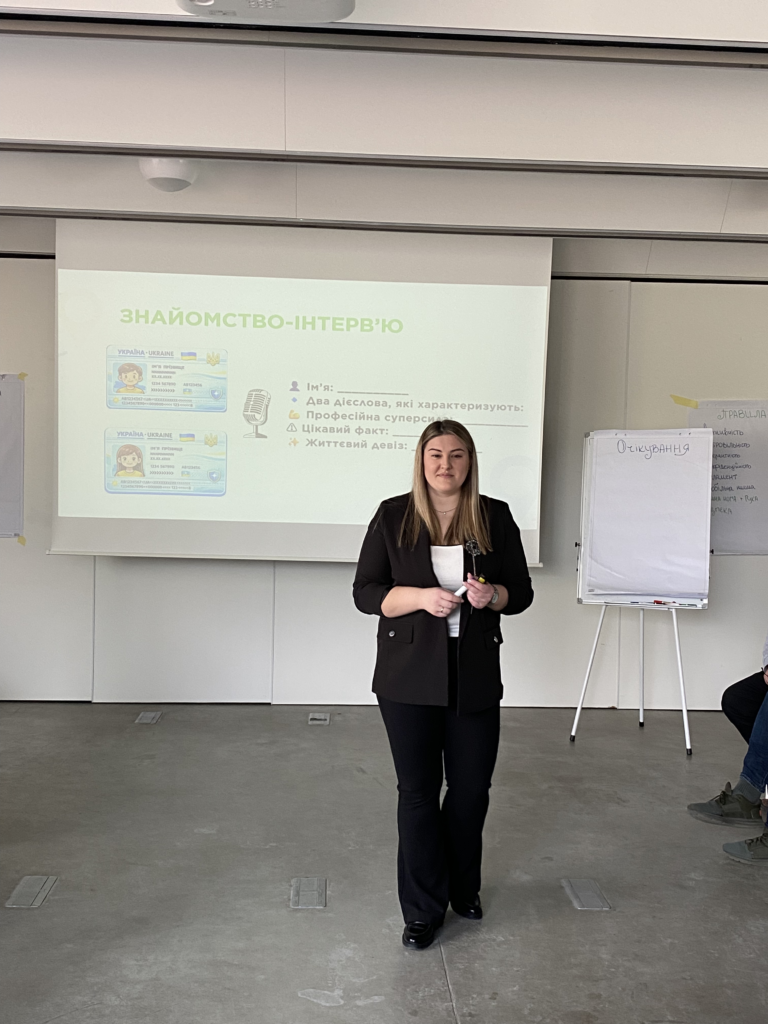
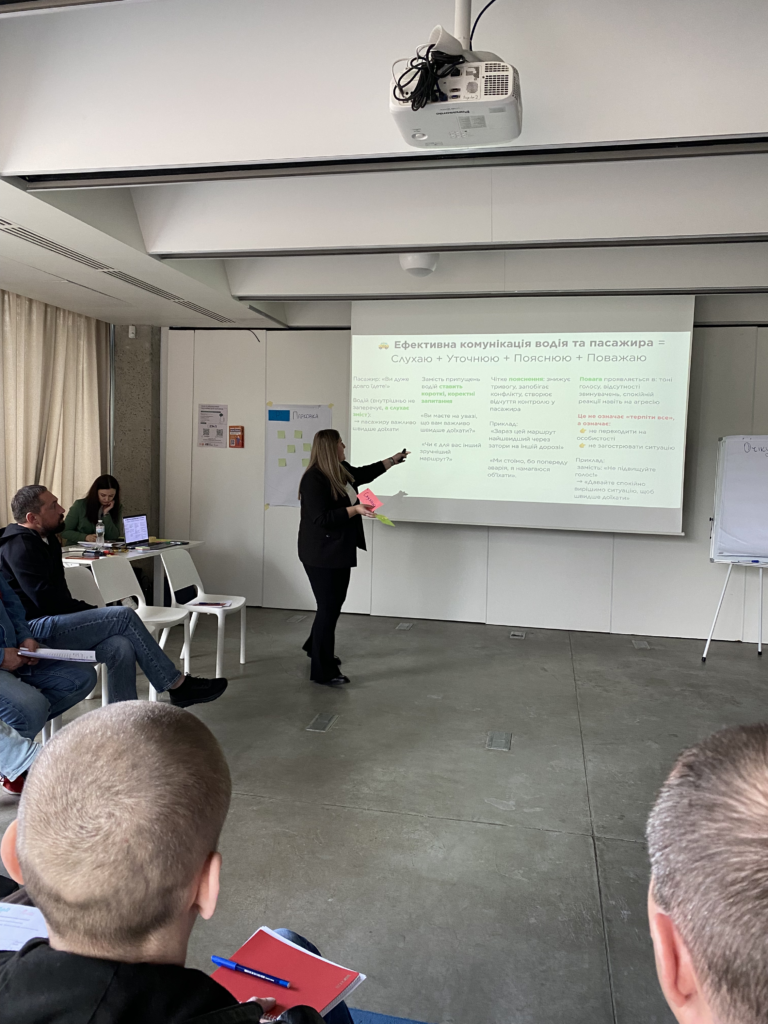
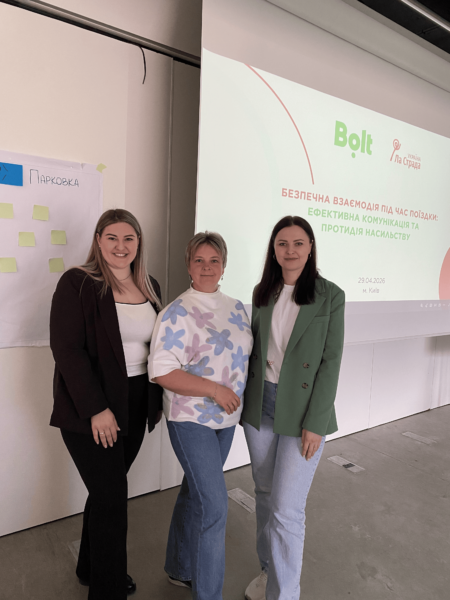
April 29 NGO “La Strada-Ukraine” in cooperation with Bolt service conducted a training for drivers on the topic "Safe interaction during the trip: effective communication and combating violence."
The key goal of the event was to increase the safety of passengers and drivers through the development of correct communication skills and the implementation of a zero-tolerance policy for violence.
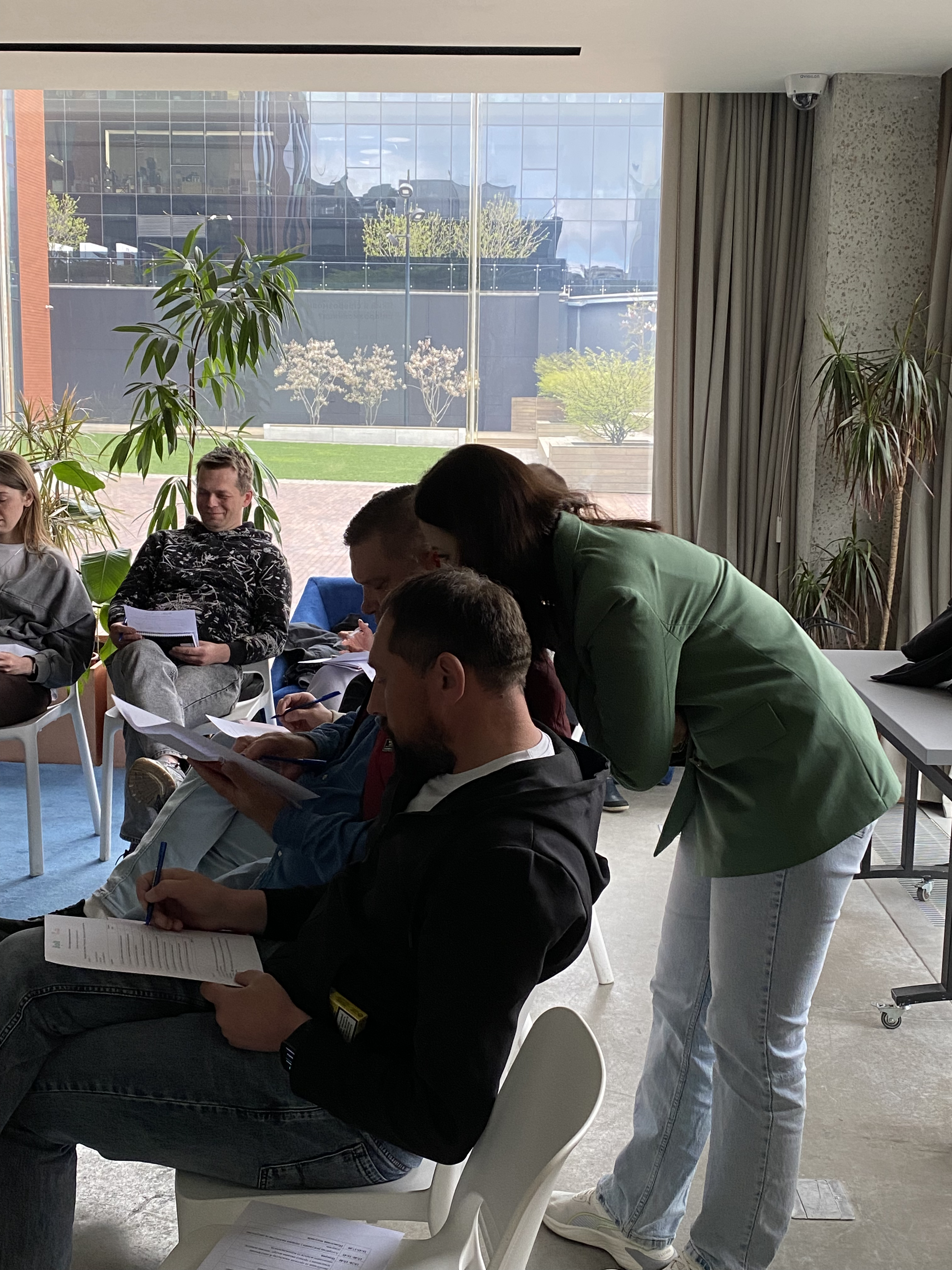
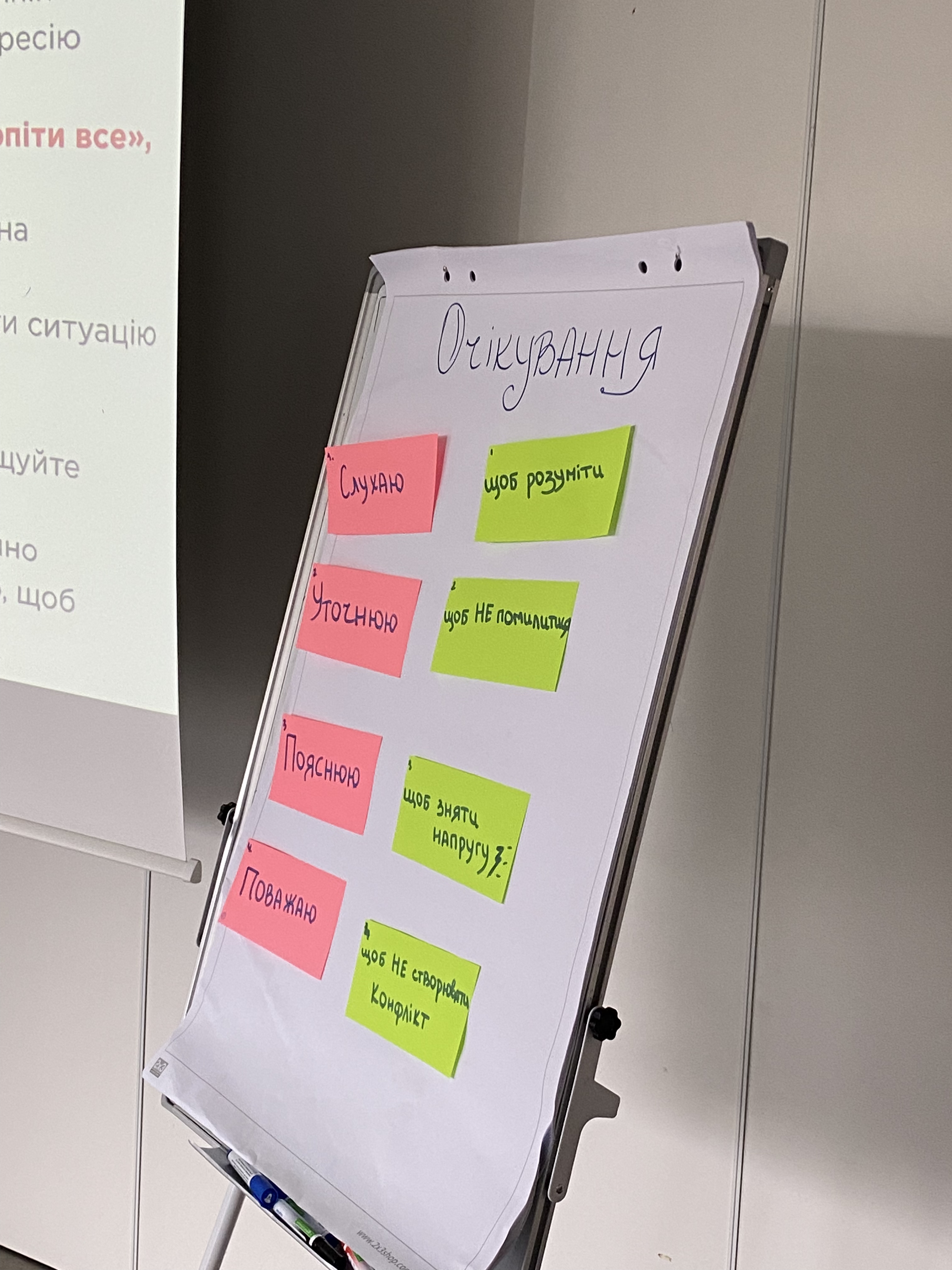
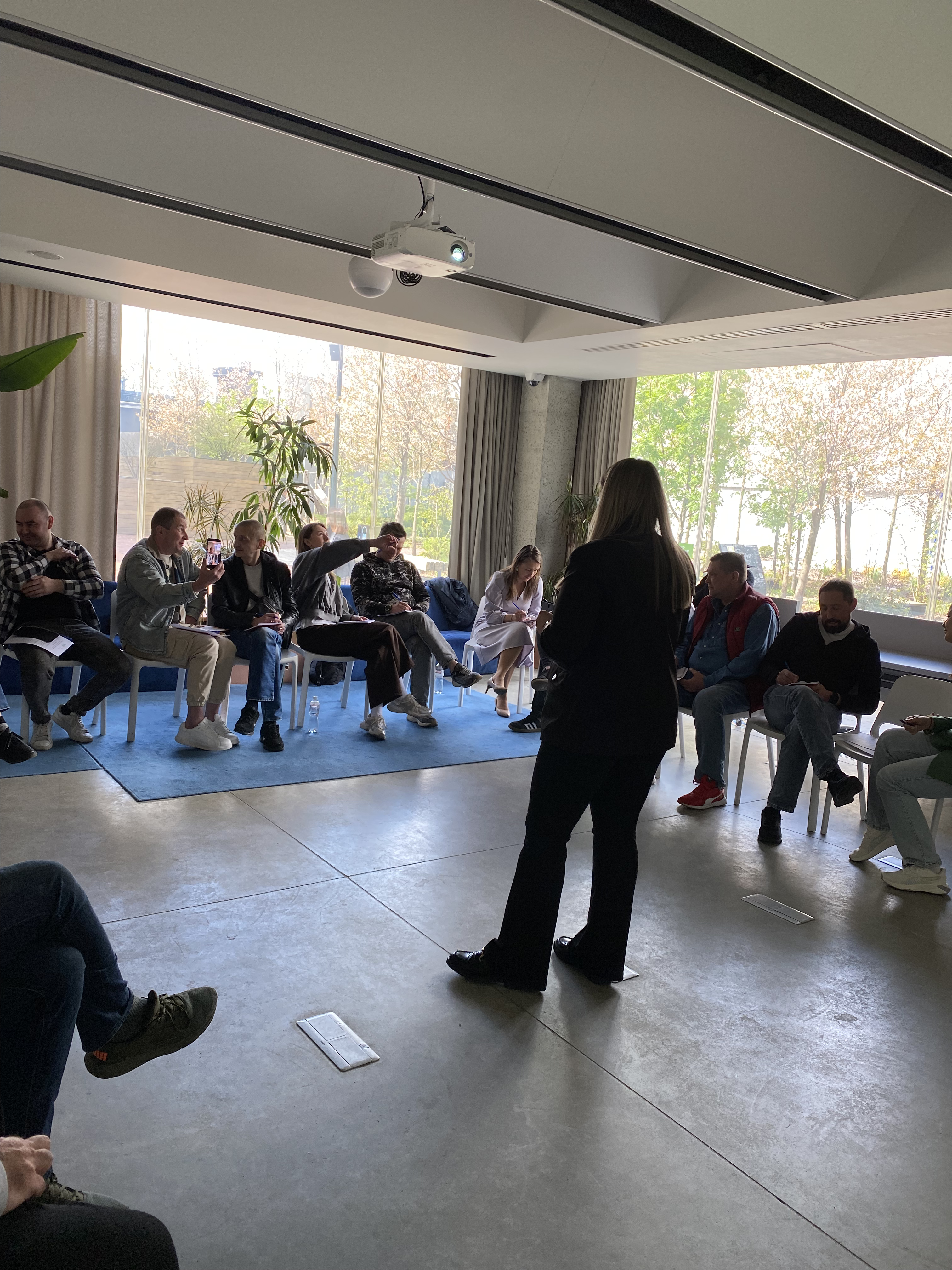
The organization's specialists, Tetyana Kharkivska and Yulia Dmytruk, conducted a training in a live dialogue format - with interactives and discussions. Particular attention was paid to algorithms for actions in difficult situations: how to recognize the escalation of a conflict at an early stage, how to respond to unacceptable behavior, and where personal boundaries are drawn.
Participants voiced problematic issues and challenges they face at work.


Zero tolerance for violence: why it's important in services
Zero tolerance for violence is not just a position, it is also the foundation of customer safety and business reputation. This is especially true for services that interact with customers every day.
This is an approach to communication that is based on respect, clarity, and understanding of the other person's needs and helps build constructive dialogue even in difficult situations and is a key tool for preventing conflicts.
“Comfort and safety during the trip is a shared responsibility. It is important to take into account the experience of each and every person, creating an environment of respect and support. After all, any manifestations of violence or gender discrimination are unacceptable,” – Maryna Lehenka, president of the NGO “La Strada-Ukraine”.
Why is systemic counteraction to violence critical for services?
Systematic counteraction to violence is critically important for modern services, as it forms the foundation of trust and business stability.
Analysis of interaction in the service sector shows that a clear brand position on safety primarily guarantees the psychological comfort of customers.
Users tend to choose the service where they feel completely secure, and the presence of clear algorithms for protection against harassment or pressure significantly increases their loyalty.
At the same time, such a policy becomes an effective tool for preventing conflicts, for example, identifying alarming signals in behavior in a timely manner and applying conversation stabilization techniques for constructively resolving conflict situations.
It is important to understand that communication is always a two-way process, so a public declaration of non-violence protects not only clients but also the team. This creates a clear algorithm for protecting employees from toxic behavior, which directly reduces the level of professional burnout and staff turnover.
Ultimately, a proactive stance and the implementation of clear response protocols – from mechanisms for recording violations to ways to obtain assistance – become the best anti-crisis management tool, allowing a company to effectively minimize any legal and reputational risks.
Zero tolerance for violence is the foundation of a safe service and a strong reputation. It ensures that the client feels supported, conflicts are resolved professionally, and the business operates in accordance with ethical standards.
NGO "La Strada-Ukraine" thanks Bolt for its initiative and each participant for their willingness to implement high safety standards in their daily practice.
If you have been a victim of domestic violence or gender discrimination, please contact the National Hotline for Prevention of Domestic Violence, Human Trafficking and Gender Discrimination for advice and assistance:
📱116 123
☎ 0 800 500 335
Telegram: NHL116123
Instagram: direct
Facebook: lastradaukraine
This article was made possible by the support of the Norwegian people through the Ministry of Foreign Affairs of Norway (MFA of Norway) within the framework of the project “Building a Gender-Inclusive Recovery with the Women’s Movement of Ukraine” (GEN-Recovery). Responsibility for the content of the information lies with the NGO “La Strada-Ukraine”. The information presented in this article does not necessarily reflect the views of the Ministry of Foreign Affairs of Norway or the Government of Norway.