
A color that reminds: there is no excuse for violence
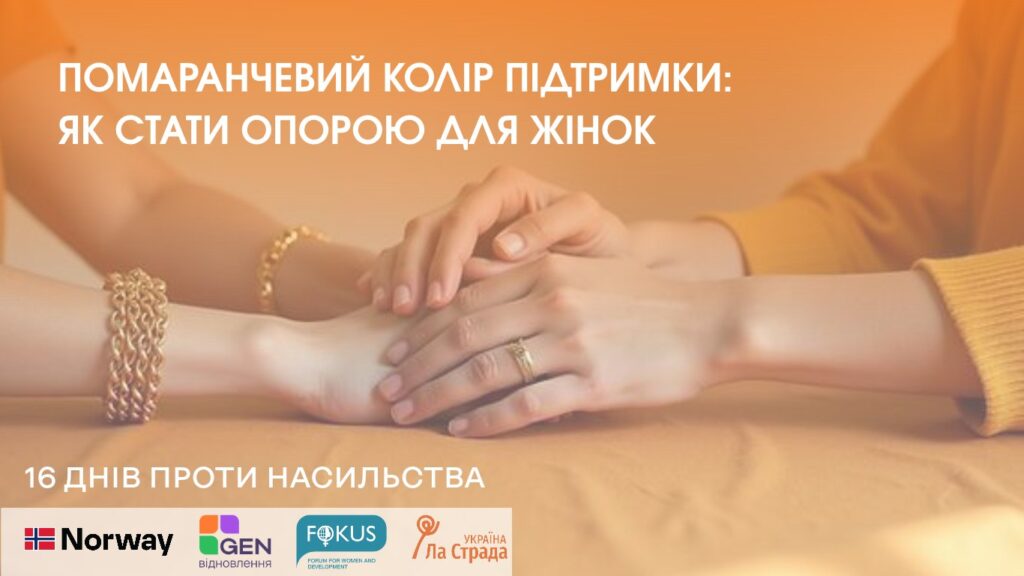
The color orange became one of the most recognizable symbols of the international campaign in 2008. It symbolizes hope for a future in which women and girls can live free from violence and fear.
The initiative has led to the concept of Orange the World — “Let's make the world orange.” It involves involving as many people and organizations as possible in drawing attention to the problem of violence.
How does clothing become part of the social dialogue?
Wearing orange is one way to make anti-violence a visible issue in everyday life. It is a public gesture that can draw attention to the campaign, spark conversation, and help spread awareness about the issue.
At the same time, it is important that such participation is not limited to the use of color in promotional materials, but involves genuine support for initiatives and the dissemination of reliable information.
After all, wearing orange clothes alone does not change the situation of the victims. Behind symbolic actions there must be a willingness to acknowledge the problem, not to justify the behavior of the perpetrators, not to blame the victims, but to support them.
How to become a support for women experiencing violence?
Support starts with everyday actions and a willingness to stand by when someone is experiencing violence. You don't have to be a professional to listen to someone, take their experience seriously, and help them find the resources they need.
Here's what everyone can do:
Don't blame the injured person. Questions like “Why didn’t you leave/leave earlier?”, “Why do you put up with this?”, or “Maybe you provoked it yourself?” shift the responsibility for the violence onto the victims. Instead, it is important to make it clear that the person is not to blame for the abuser’s actions.
Listen without judgment or pressure. Don't demand details, don't insist on certain solutions, and don't devalue the experience. Sometimes the most important thing is to give the person the opportunity to talk at their own pace and feel heard.
Respect decisions and personal boundaries. Don't decide for the person who is affected what to do next. Offer help, ask what they need, and support their right to make their own decisions.
Don't silence the violence in your environment. Don't justify control, threats, humiliation, or physical aggression. Respond to sexist jokes, victim blaming, and stereotypes that normalize violence.
Support should not be limited to 16 days
The international 16 Days of Activism against Gender-Based Violence campaign ends on December 10, but the problem does not disappear with it. For women experiencing violence, it is important to know that support is available not only during information campaigns, thematic events or public actions.
Daily resistance to violence is a willingness to notice the problem, not remain indifferent, respect the experiences of victims, and spread information about opportunities to get help.
The color orange may draw attention to an issue. But true support is shown in actions, words, and decisions that help create a society where women and girls can live free from violence, fear, and discrimination.
If you have been a victim of domestic violence or gender discrimination, please contact the National Hotline for Prevention of Domestic Violence, Human Trafficking and Gender Discrimination for advice and assistance:
📱116 123
☎ 0 800 500 335
Telegram: https://t.me/NHL116123_bot
Instagram: https://www.instagram.com/lastradaukraine?igsh=anhubWR2YzZvZWxj
Facebook: https://www.facebook.com/share/1DDns7NTvT/?mibextid=wwXIfr
This article was made possible by the support of the Norwegian people through the Ministry of Foreign Affairs of Norway (MFA of Norway) within the framework of the project “Building a Gender-Inclusive Recovery with the Women’s Movement of Ukraine” (GEN-Recovery). Responsibility for the content of the information lies with the NGO “La Strada-Ukraine”. The information presented in this article does not necessarily reflect the views of the Ministry of Foreign Affairs of Norway or the Government of Norway.
 Українська