
How war changes the perception of March 8
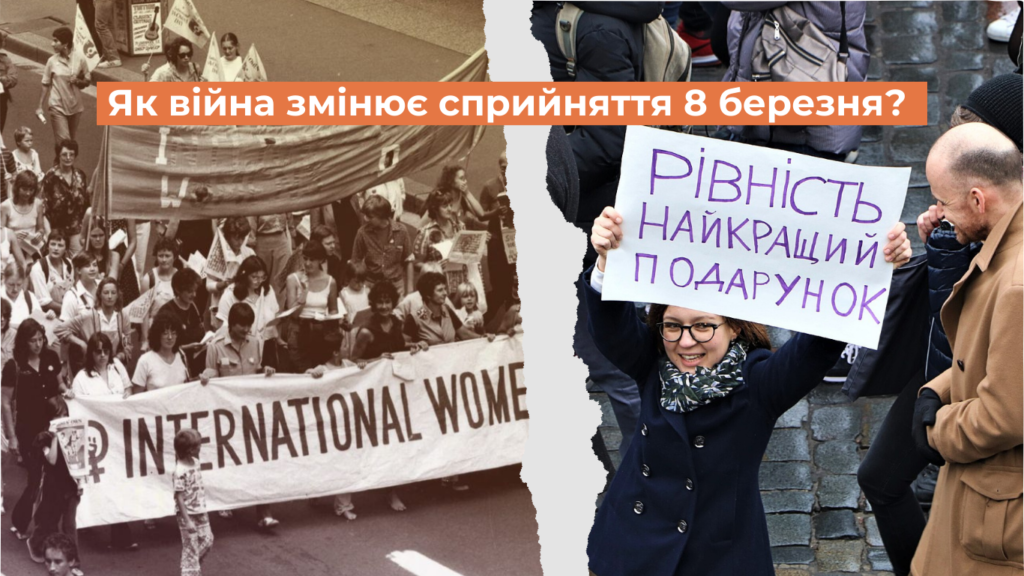
Every year, March 8 becomes a day that causes conflict due to different perceptions of its meaning. International Women's Day.
The Soviet attitude towards the women's movement was firmly rooted in the meaning of March 8. Greeting cards, wishes for women's happiness, flowers, and the association with motherhood, as if this was the only way for a woman to be socially visible.
But the full-scale war changed the very perception of femininity, the role of women in society, and the question of what Ukrainian women really want.
Today, as women take on all possible roles – from military personnel to volunteers, from business leaders to internally displaced persons rebuilding their lives from scratch – the conversation about March 8 takes on new meaning.
But what does this day mean in a time when women not only remain in the rear, but also join the ranks of the Armed Forces of Ukraine, lead evacuations, save lives, and rebuild what was destroyed?
Ukrainian society is gradually rethinking the meaning of this day. The tradition of perceiving March 8 as a "flower festival" is still partially preserved, but more and more people are realizing its historical meaning - as a day of struggle for women's rights and equal opportunities.
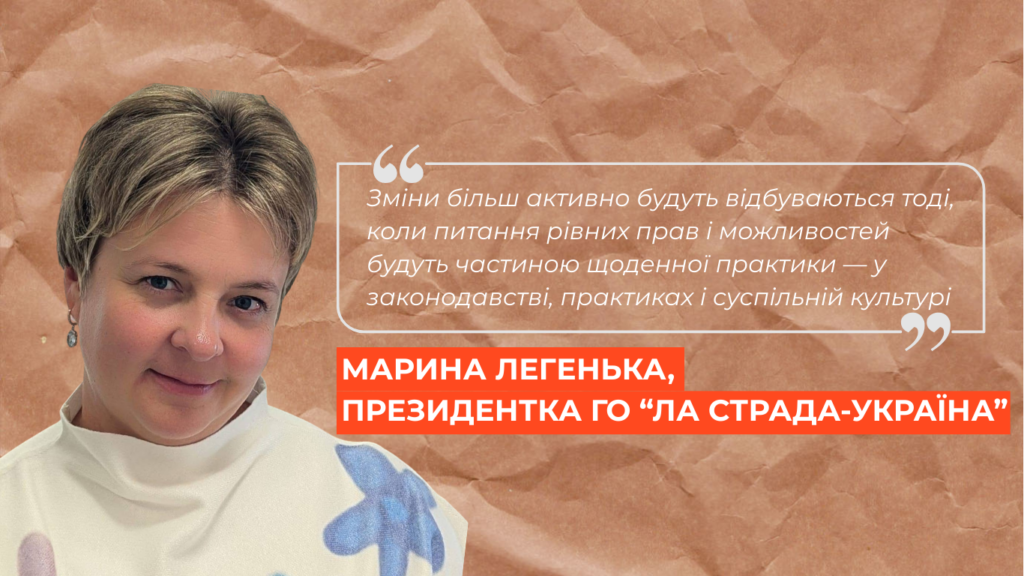
In the context of a full-scale war, this rethinking has become even more tangible. Society sees that women play a key role in various spheres – in the military, volunteer movement, management, business, humanitarian aid. This contributes to a broader understanding that the issue of equal rights and opportunities is about the stability and development of the state.” – emphasizes Maryna Lehenka, president of the NGO “La Strada-Ukraine”
Struggle or formation?
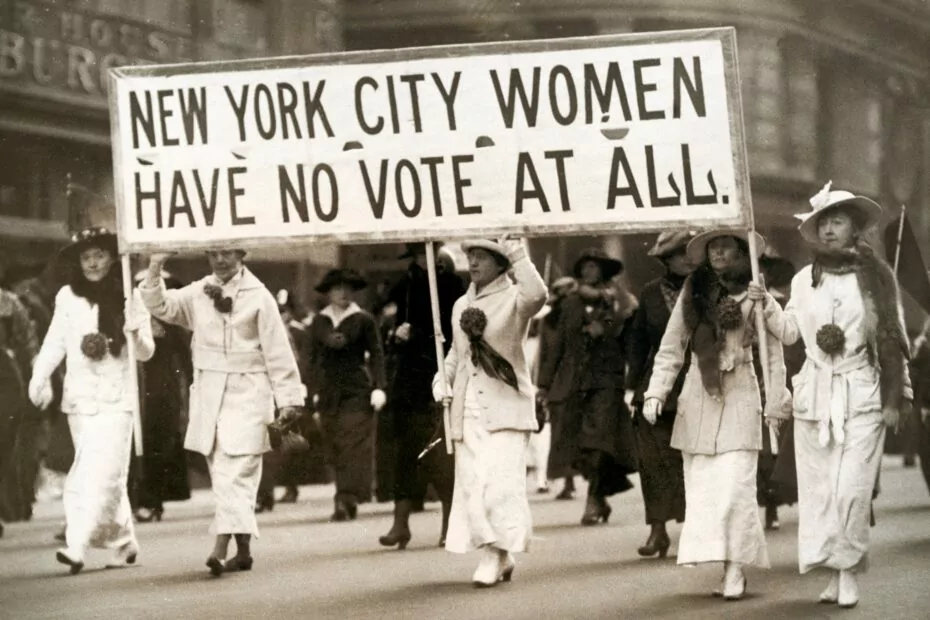
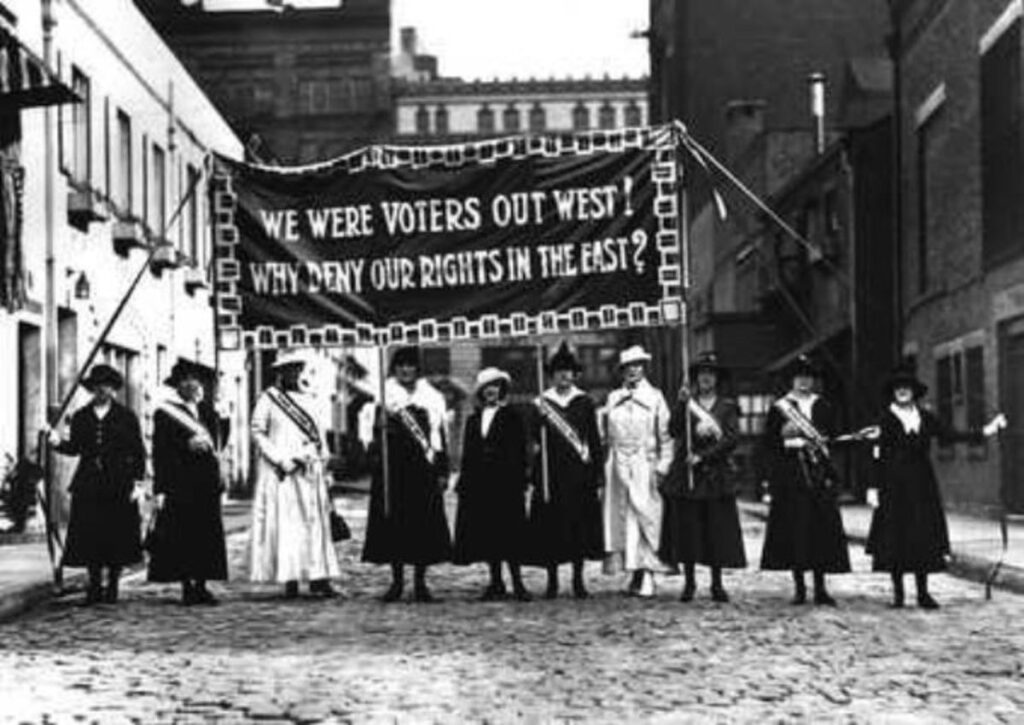
It all started on March 8, 1857, when New York City workers staged a "march of empty pots", where they demanded equal pay. Half a century later, in 1908, more than 15,000 women marched again, demanding equal working conditions, equal pay, and women's suffrage.
The march of social democratic women in New York, who took to the streets to fight for the right to vote, became the prerequisite for the establishment of International Women's Day.
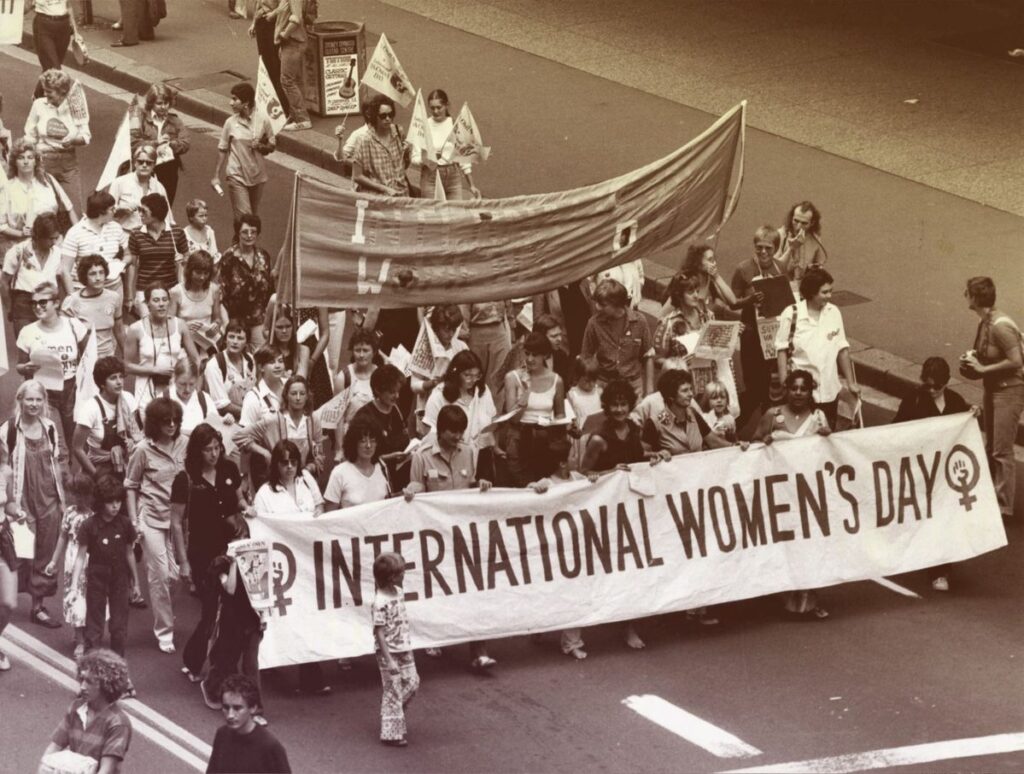
In 1975, the UN General Assembly declared March 8 is a day to recognize the achievements of women in various areas of life and to protest against inequality.
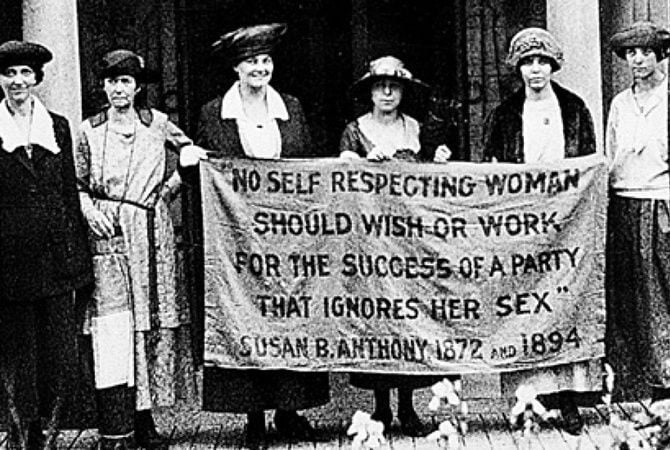
The feminist movement in Ukraine has always balanced between two narratives: fighting for rights, opposing discrimination, eradicating violence;
and the formation and development of a space where women can realize their potential without fear and limitations.
Today, it is important for Ukrainian women not only to fight against stereotypes, but also to build a new reality where the question “is this a women's issue?” should not arise at all.
President of the NGO “La Strada-Ukraine” says that during war, public attention is really focused on security and defense issues, so sometimes it can seem that the issues of gender-based violence and equal rights and opportunities for women and men recede into the background.
In practice, war only exacerbates existing inequalities and makes many gender issues more visible. These include increased risks of gender-based violence, economic vulnerability, and challenges in accessing social services.
It is precisely attention to these issues, especially during a full-scale war, that is critically important. This allows for the formation of effective state policies, taking into account the needs of different population groups, and ensuring fair approaches to the country's reconstruction. And this also corresponds to Ukraine's international obligations, in particular within the framework of the Women, Peace, Security agenda, - emphasizes Marina Lehenka.
A celebration of femininity and comparison with flowers
Traditional comparisons of women with flowers or spring often conceal a refusal to see a woman as a person with her own ambitions, fatigue, and internal contradictions. Modern Ukrainian women increasingly fit into the stereotypical image of "delicate flowers."
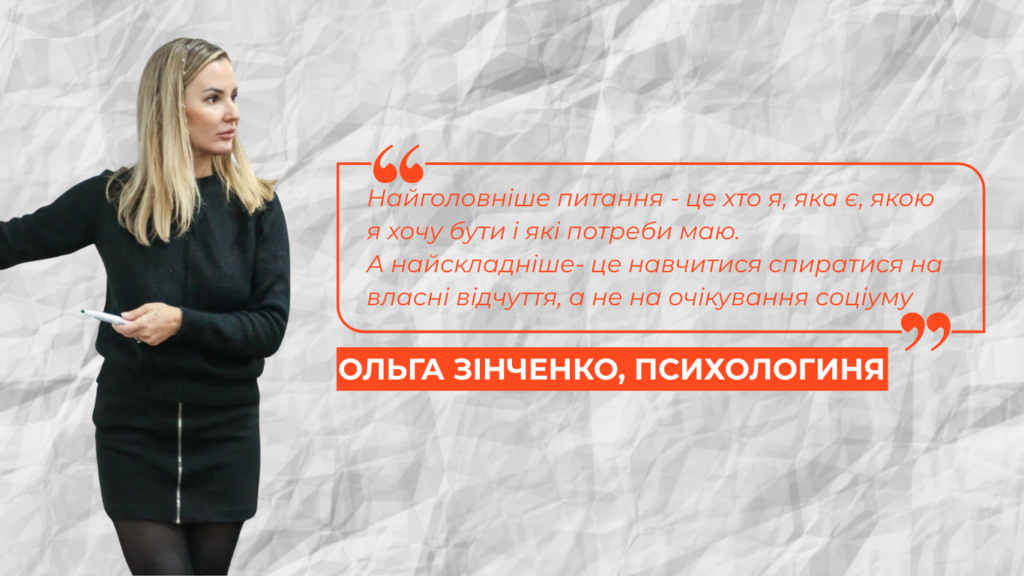
Psychologist Olga Zinchenko says that in therapeutic work she often encounters questions about internal conflicts, including issues of "being feminine" and "being strong."
From childhood, we receive a certain set of attitudes from society, which we often deal with in therapy. What kind of woman should be, what kind of mother, wife, friend, daughter. But the real question is whether a woman wants to be a mother or a wife at all, whether she wants to build a career, or be childfree. – says the psychologist.
However, it is worth emphasizing that the problem is not with the flowers or the attention as such. The problem is that often behind them lies a reluctance to recognize women as full participants in public life – with their own ambitions, needs, the right to “be uncomfortable” and versatility.
Olga comments: Sometimes it seems to me that nowadays there is more freedom of choice, more opportunities to think more broadly, but in reality we still work with the same attitudes and the most important question is who I am, what I want to be and what my needs are. And the most difficult thing is to learn to rely on your own feelings, and not on the expectations of society.
The war that changes everything
Full-scale war was a catalyst for change in all areas, and gender roles were no exception.
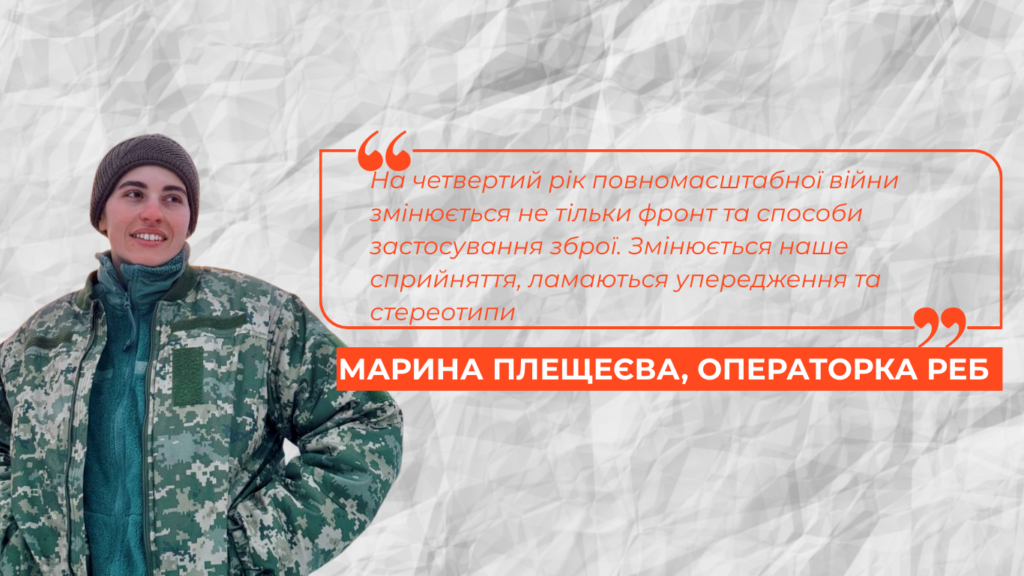
Ukrainian women have found themselves in completely new roles and situations. Despite the fact that they join the ranks of the Armed Forces of Ukraine, manage businesses in conditions of constant power outages, evacuate people, coordinate international aid, rebuild communities - certain stereotypes and prejudices haunt women. This attitude is still observed in the military sphere, which has indeed undergone many transformations.
The army is a patriarchal system created by men for men, so it can be more difficult for a woman, because we have to fight for recognition and respect. But in the fourth year of a full-scale war, not only the front, the course of events and the methods of using weapons change. Our perception changes, prejudices and stereotypes break down, - says Marina Pleshcheeva, electronic warfare operator.
But women's safety is not just about a safe country. It's about a space where there is no place for domestic or economic violence, where your boundaries are respected online and in real life, where your choices are not subject to condemnation.
I don't like to give advice, but I would remind every girl, young woman, of her worth. You are the most important person in the world to yourself. You have the right to choose. You have the right to be who you want to be. You have the right to a voice, protection, safety, freedom, and anything else that is important to you..” – reminds psychologist Olga.
The war brought new challenges, but it did not change the main thing: the need for respect and legal protection is universal. It is equally important for everyone, regardless of where they are and what they do.
International Women's Day should be, above all, a day of public dialogue and drawing attention to the problems that still exist in our society. It is an opportunity to talk about achievements in the field of equal rights and opportunities, as well as to draw attention to the systemic challenges that still remain.
At the same time, it is important that this day is not reduced to just symbolic gestures. It should be a reminder of the need for consistent state policies, effective mechanisms for protecting women's rights, and active participation of civil society in promoting the principles of equality. Changes will occur more actively when issues of equal rights and opportunities are part of everyday practice - in legislation, practices, and social culture, - says Marina Lehenka.
We want you to remember and repeat these words to yourself:
"I am important. I have the right to be safe. I have the right to choose my path."
If you victims of domestic violence or gender discrimination, contact the National Hotline for the Prevention of Domestic Violence, Human Trafficking and Gender Discrimination for advice and assistance:
116 123 or 0 800 500 335
The project is implemented by UNFPA, the United Nations Population Fund in Ukraine, with the support of Sweden and Norway in cooperation with the NGO “La Strada-Ukraine”
 Українська