
Hate speech against women on the Internet: forms, impact and ways to protect
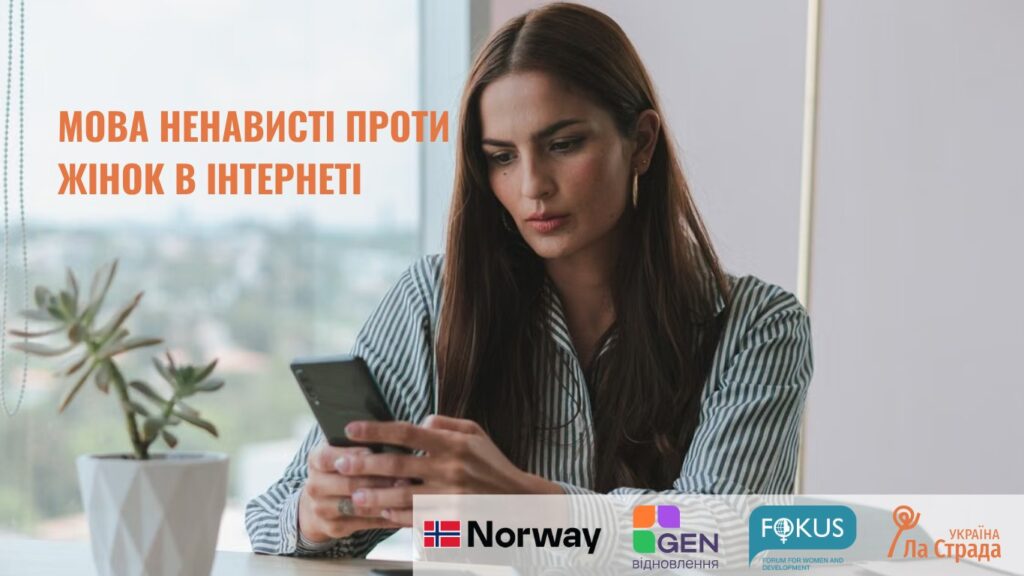
The Internet is often perceived as a space for freedom of speech, but for many women it also becomes a space of constant aggression – from derogatory comments to outright threats. Hate speech against women online is not an isolated incident, but a widespread phenomenon that primarily affects psychological well-being, safety and the desire to speak out publicly.
What is hate speech against women?
Hate speech is any speech that demeans, devalues, or discriminates against people. Women are particularly vulnerable to humiliation based on their appearance, age, motherhood, profession, or opinions.
Main forms of online aggression
1. Insults and humiliation
The most common form is criticism of appearance, intelligence, or "woman's place," often disguised as "advice" or evaluations.
2. Sexism and gender stereotypes
Comments like "a woman can't understand this", "you'd better think about something else" or reducing any opinion to gender stereotypes.
3. Sexualization
Unwanted insinuations, comments, or outright statements that objectify a woman.
How does this affect the psyche?
Constant online aggression has the following consequences:
- increased anxiety and tension
- fear of speaking publicly
- burnout
- low self-esteem
- feeling unsafe even in your own online space
- self-censorship (when a person becomes silent to avoid aggression)
The most dangerous thing is that over time this can become the "norm" and the person stops perceiving it as a problem.
Why is this happening?
Hate speech doesn't just happen. It's fueled by social stereotypes and a lack of responsibility for one's words.
Often, aggressive comments are mistakenly perceived as "the right to one's own opinion," when in reality they are not constructive criticism, but a form of humiliation or discrimination.
How to protect yourself
1. Limiting contact with toxic environments
Many platforms allow you to limit comments, messages, or hide offensive words.
2. Remember: It's not about you as a person
Aggression on the Internet often says more about the person writing it than about the person to whom it is addressed.
3. Request for support
It's important to talk about your experience with people you trust.
The internet should not be a place where humiliation becomes the norm.
Respect for women in the digital space is important. Freedom of speech does not give the right to humiliate and discriminate.
If you recognize yourself in this story, the main thing is not to be alone with this - call to the National Hotline for the Prevention of Domestic Violence, Human Trafficking and Gender Discrimination:
📱116 123
☎ 0 800 500 335
This post was made possible by the support of the Norwegian people through the Ministry of Foreign Affairs of Norway (MFA of Norway) within the framework of the project “Building a Gender-Inclusive Recovery with the Women’s Movement of Ukraine” (GEN-Recovery). Responsibility for the content of the information lies with the NGO “La Strada-Ukraine”. The information presented in this post does not necessarily reflect the views of the Ministry of Foreign Affairs of Norway or the Government of Norway.
 Українська